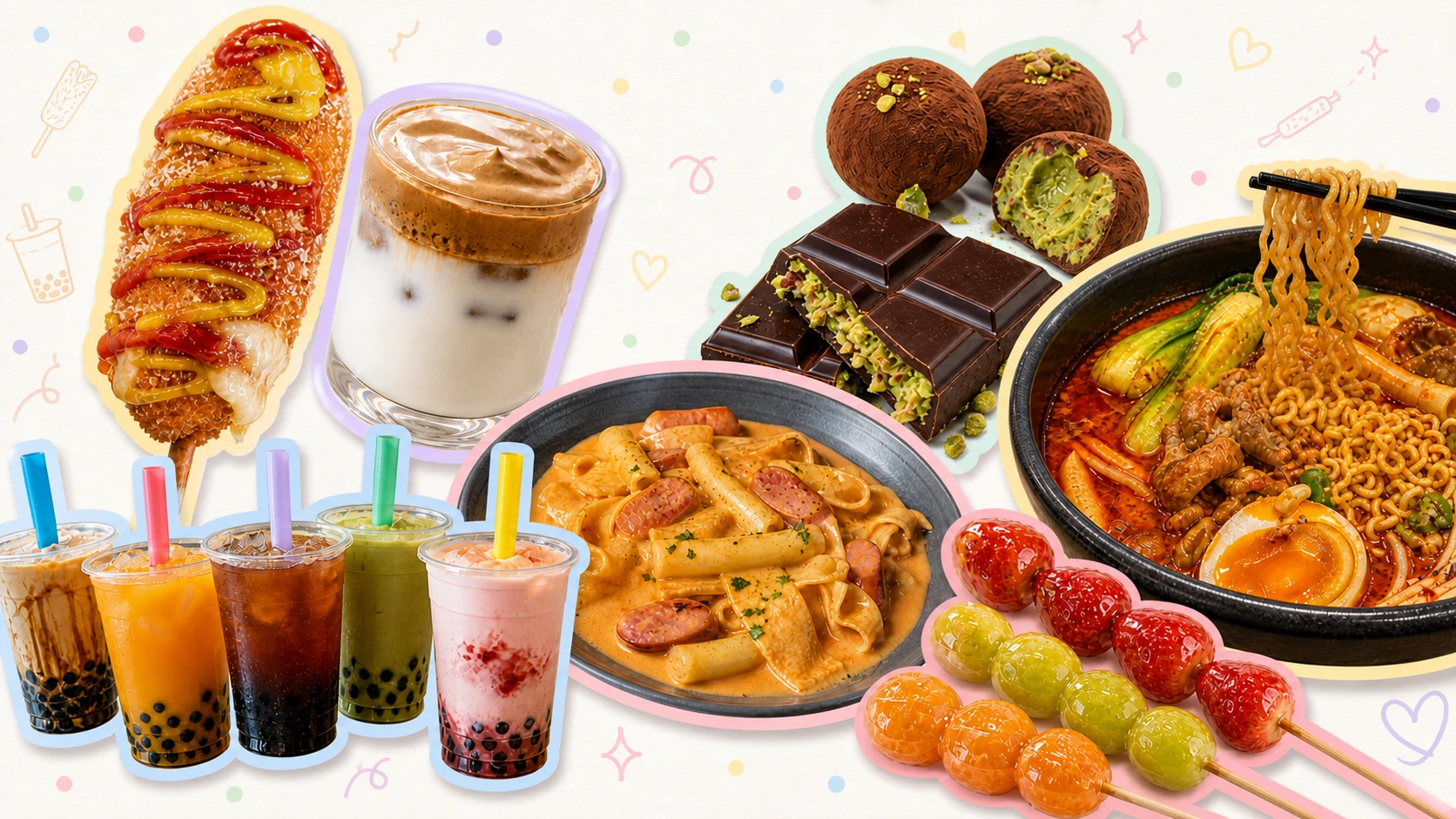
Every country has food trends. But South Korea doesn’t just have trends — it has events. A snack shows up, an entire nation loses its mind over it, lines form around the block, and then, almost as fast as it arrived, it’s gone. Thanks to social media, the rest of us get a front-row seat to the chaos. Here’s a decade of Korea’s yummiest obsessions, one year at a time.
Early 2010s: The bubble tea boom
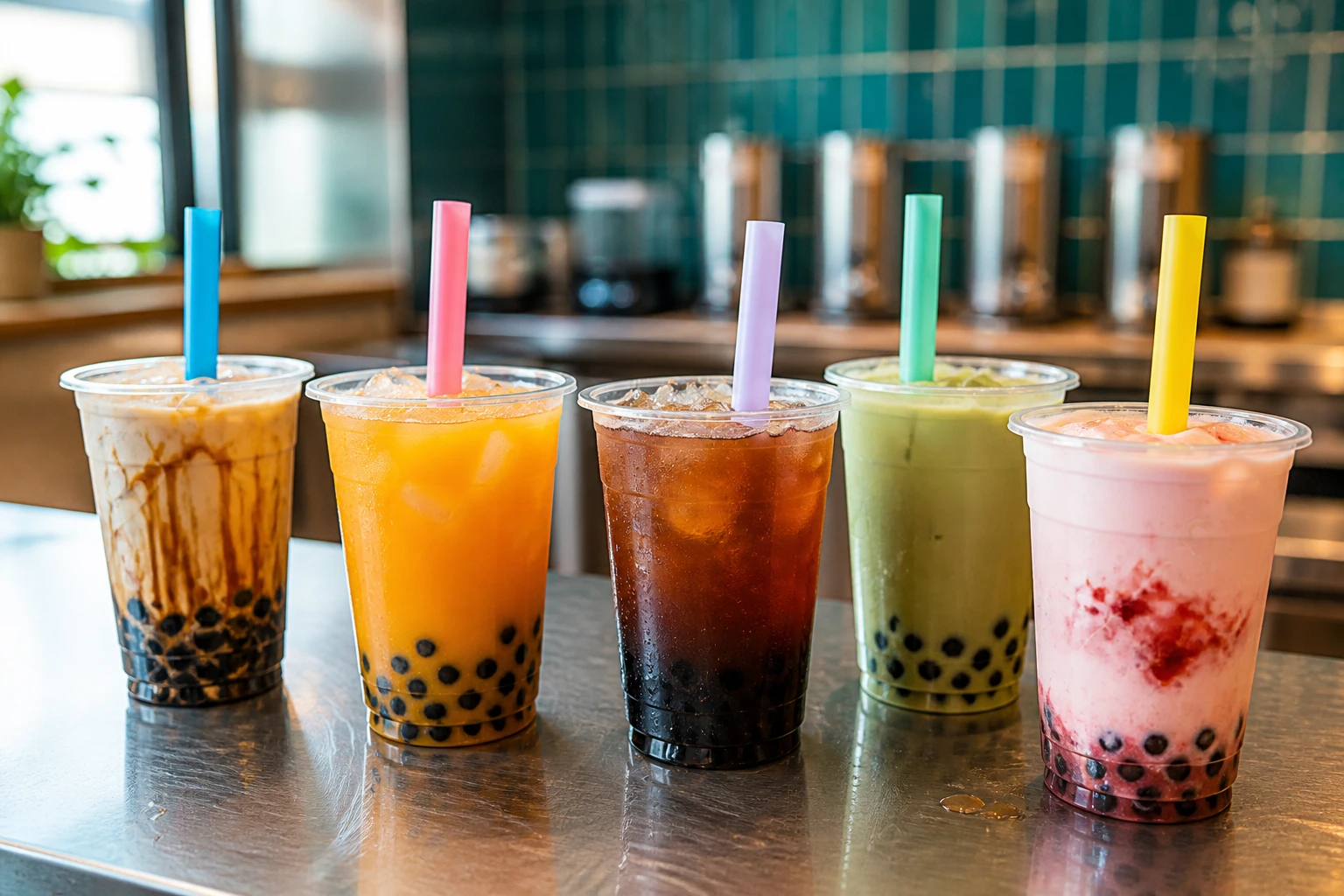
Before it was a global staple, 버블티 (beobeulti) and Gong Cha (공차) swept through Korea and never really left. Around the same time, sweet crispy fried chicken bites (닭강정) and Sulbing-style shaved ice (설빙/빙수) turned “dessert café” into a full lifestyle. This is the era that basically invented the Korean café-hopping culture you see all over Instagram today.
2017: The corn dog comeback
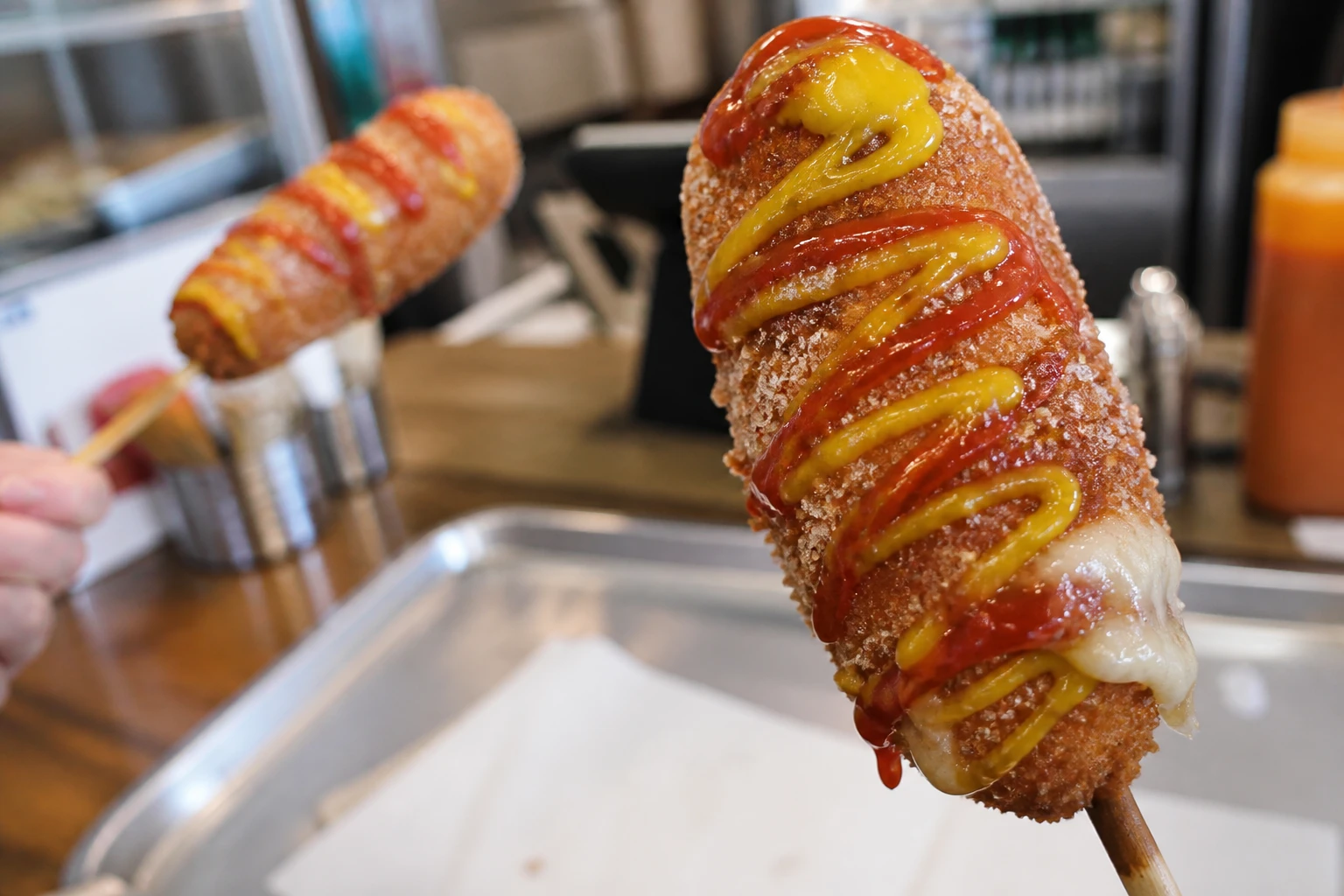
명랑핫도그 (Myeongrang Hotdog) took the humble corn dog, rolled it in sugar, and somehow made it a street food icon. Suddenly every market and shopping street had a stand selling them, and “sugar-dusted corn dog” became a certified national craving.
2019: The year of spice and crunch
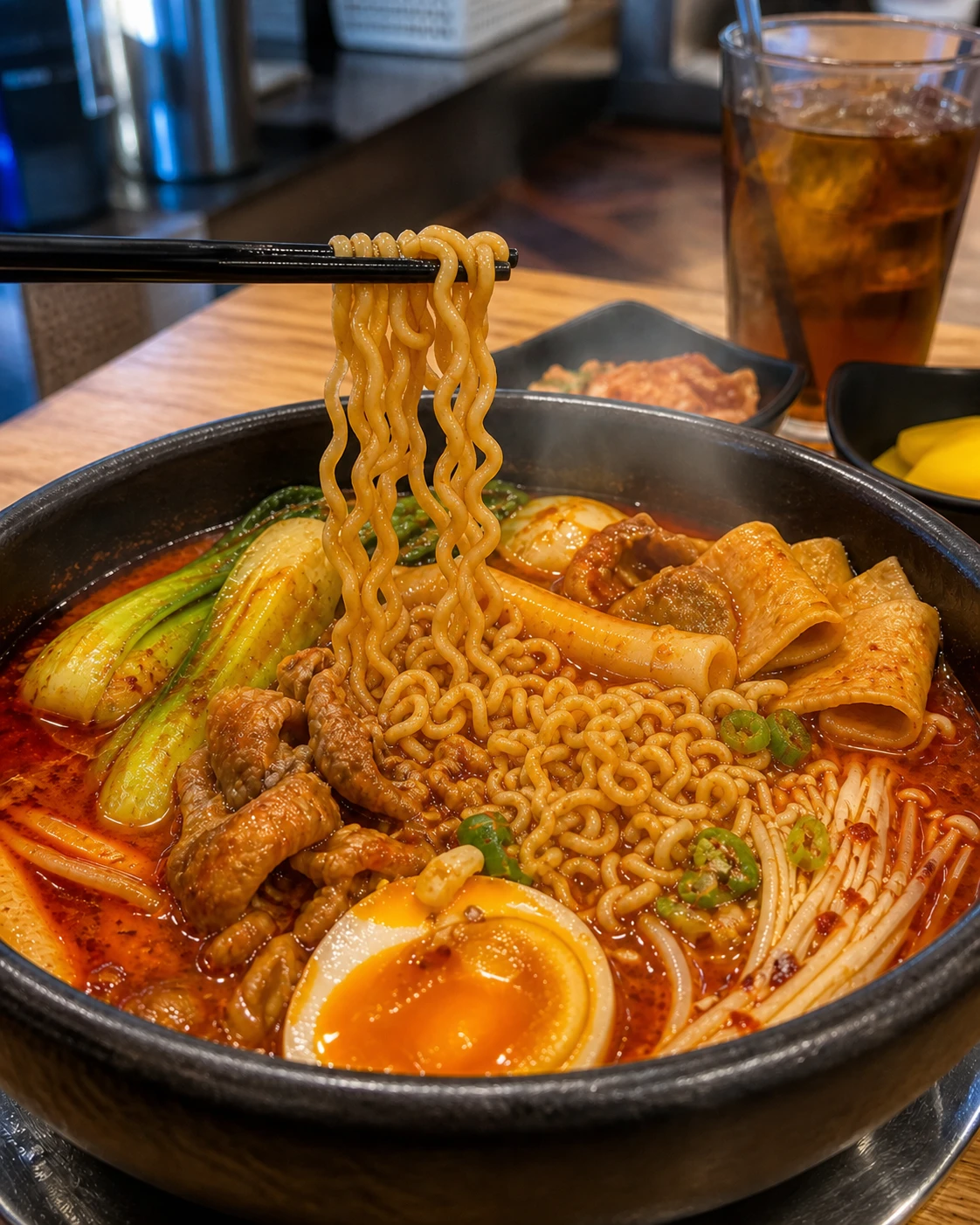
This one’s a triple threat. 마라탕 (mala tang), mala xiang guo, and hot pot (마라샹궈 / 훠궈) landed hard, and the tongue-numbing Sichuan spice took over group dinners everywhere. At the same time, the 크로플 (croffle) — a croissant pressed and cooked like a waffle — became the café menu item you couldn’t escape. And on every highway rest stop, people were suddenly obsessed with chewy Chinese glass noodles (중국당면). Big year. Very different flavors, all equally unstoppable.
2020: Dalgona takes over the world
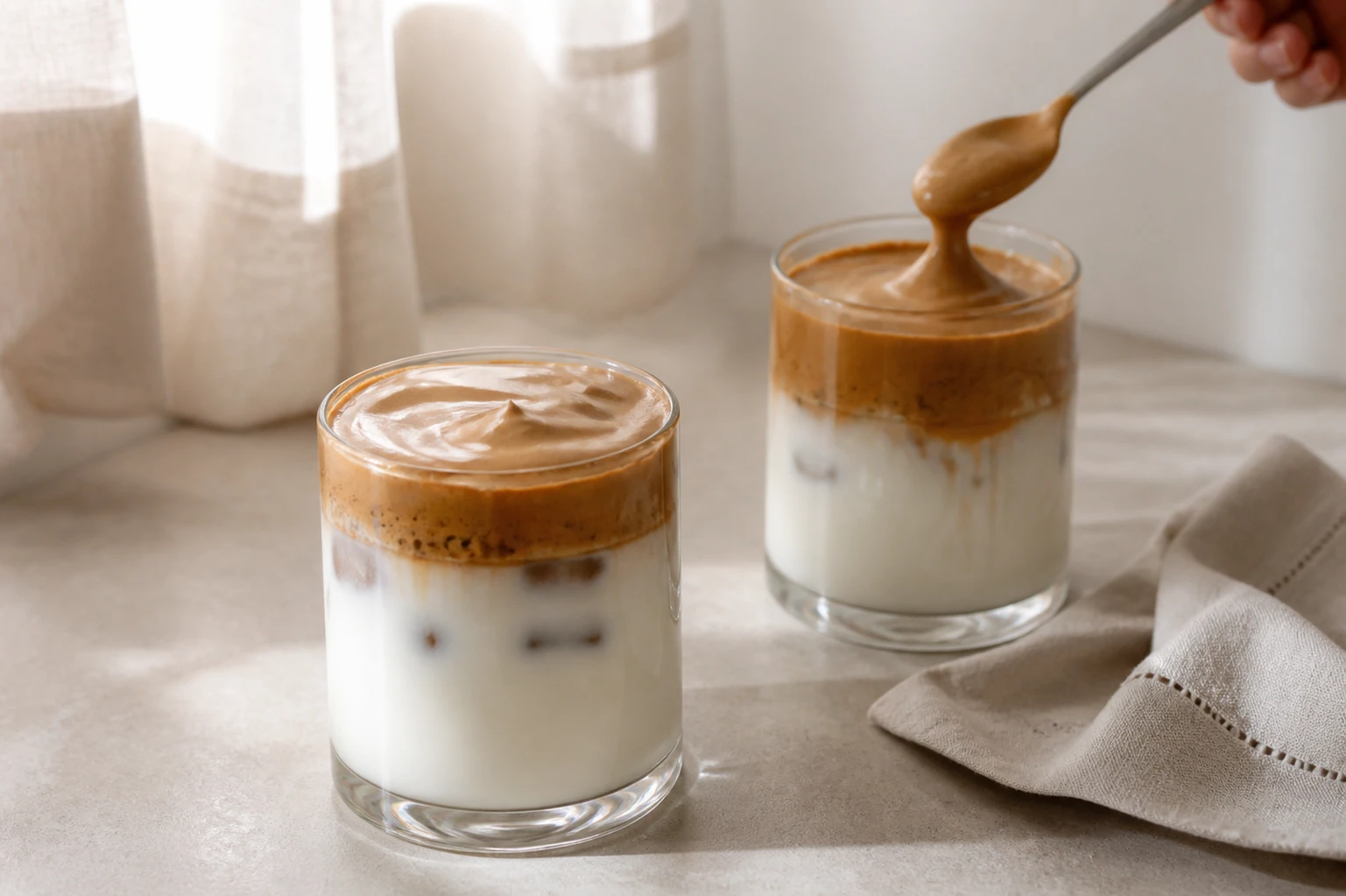
If you were online in 2020, you already know. 달고나커피 (dalgona keopi) — instant coffee whipped with sugar and water until it turned into a cloud-like foam — became the defining lockdown-era trend, not just in Korea but globally. Everyone had a whisk, everyone had an opinion on how long to whip it, and everyone’s feed looked the same for a solid few months.
2021: Pink sauce, big feelings
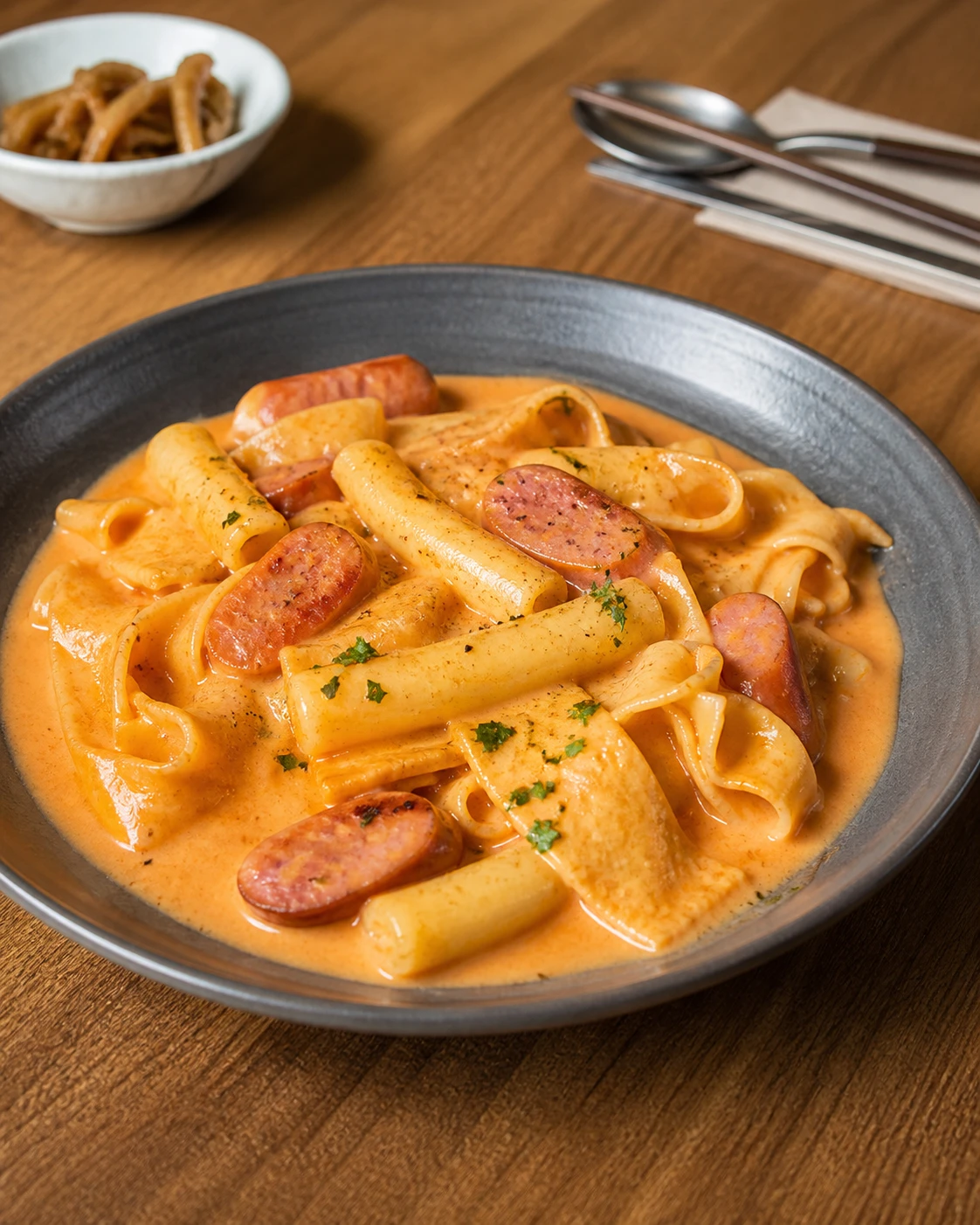
Rosé sauce swept the nation. 로제떡볶이 (roje tteokbokki) and rosé pasta (로제파스타) took the familiar spicy-sweet tteokbokki base and mellowed it out with cream, and suddenly everyone who “couldn’t handle spicy food” had a seat at the table. Pretty, pink, and everywhere.
2022: The sticker economy
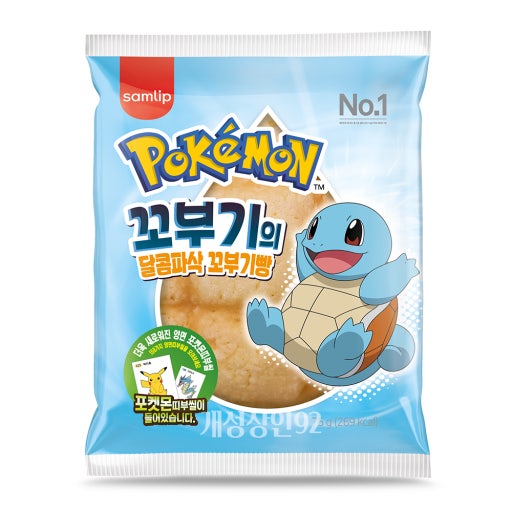
Product image: Naver Smart Store listing — © Samlip.
Technically this was a bread trend. Realistically, nobody cared about the bread. 포켓몬빵 (Pokémon bread) came back on shelves with collectible stickers (띠부씰) inside, and the resulting frenzy turned convenience stores into hunting grounds. Kids and adults alike were buying loaves just to open them, grab the sticker, and toss the bread. Iconic.
2023: Candy-coated chaos
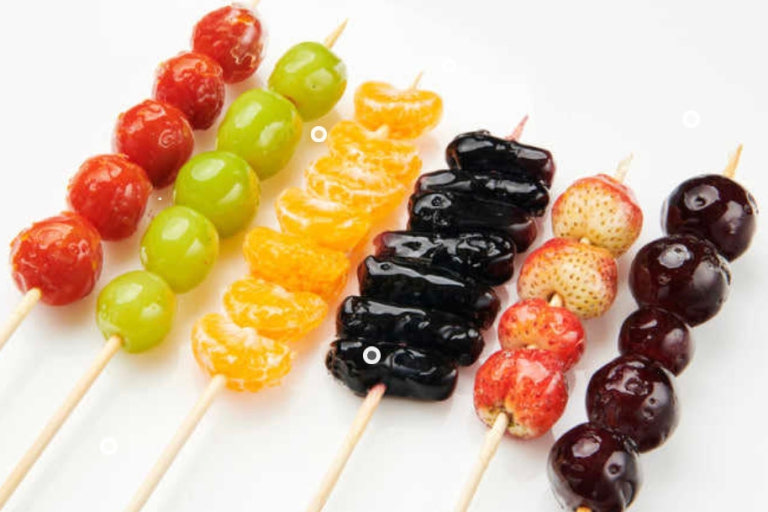
Photo: Naver blog — onmaeum_weekcare.
탕후루 (tanghulu) — Chinese-style fruit skewers dipped in a hard candy shell — became the single biggest food story of the year. One franchise reportedly went from about 50 stores to over 300 in just five months. Teenagers walking around with a stick of glossy, red-coated strawberries became one of the defining street images of 2023.
2024: Dubai chocolate fever
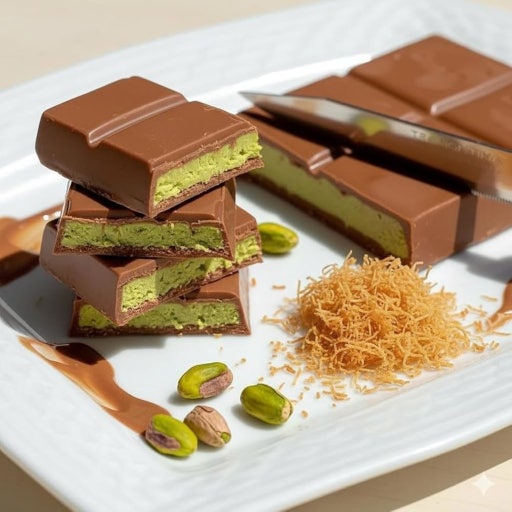
Product image: Naver Smart Store listing.
The pistachio-cream, crispy-kadayif Dubai chocolate bar went viral worldwide, and Korea caught the fever just as hard as everywhere else. Cafés scrambled to make their own versions, TikTok and Instagram were flooded with ASMR chocolate-cracking videos, and pistachio cream briefly became the most requested flavor in the country.
2025–2026: The Dubai chocolate sequel nobody saw coming
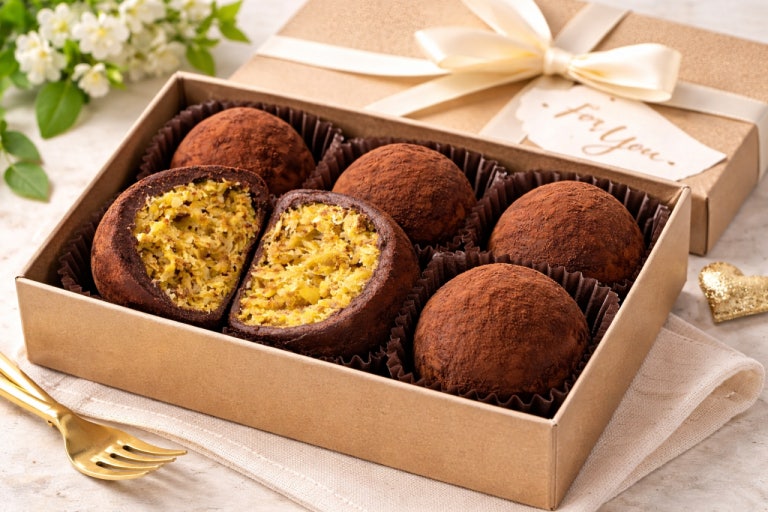
Photo: Naver blog — rich2305.
Just when Dubai chocolate started to fade, Korea did what Korea does best — remixed it. Enter 두쫀쿠 (Dubai jjonduk-kuki), a chewy Korean cookie spin on the same pistachio-cream flavor profile. A whole new wave of “Dubai” flavored everything followed it into 2026.
Why does this keep happening?
Short-form video is basically rocket fuel for food trends. A trend used to take months to build and fade — now some of them peak and disappear within a couple of weeks. Croffle took about 163 days to lose half its search buzz back in 2020; tanghulu did it in 54 days in 2023; Dubai chocolate did it in just 13. The trend cycle isn’t just fast anymore — it’s compressing every single year.
So the next time you see a Korean food suddenly flooding your feed, don’t wait too long to try it. By the time you’ve made a reservation, the whole country might have already moved on to the next one.