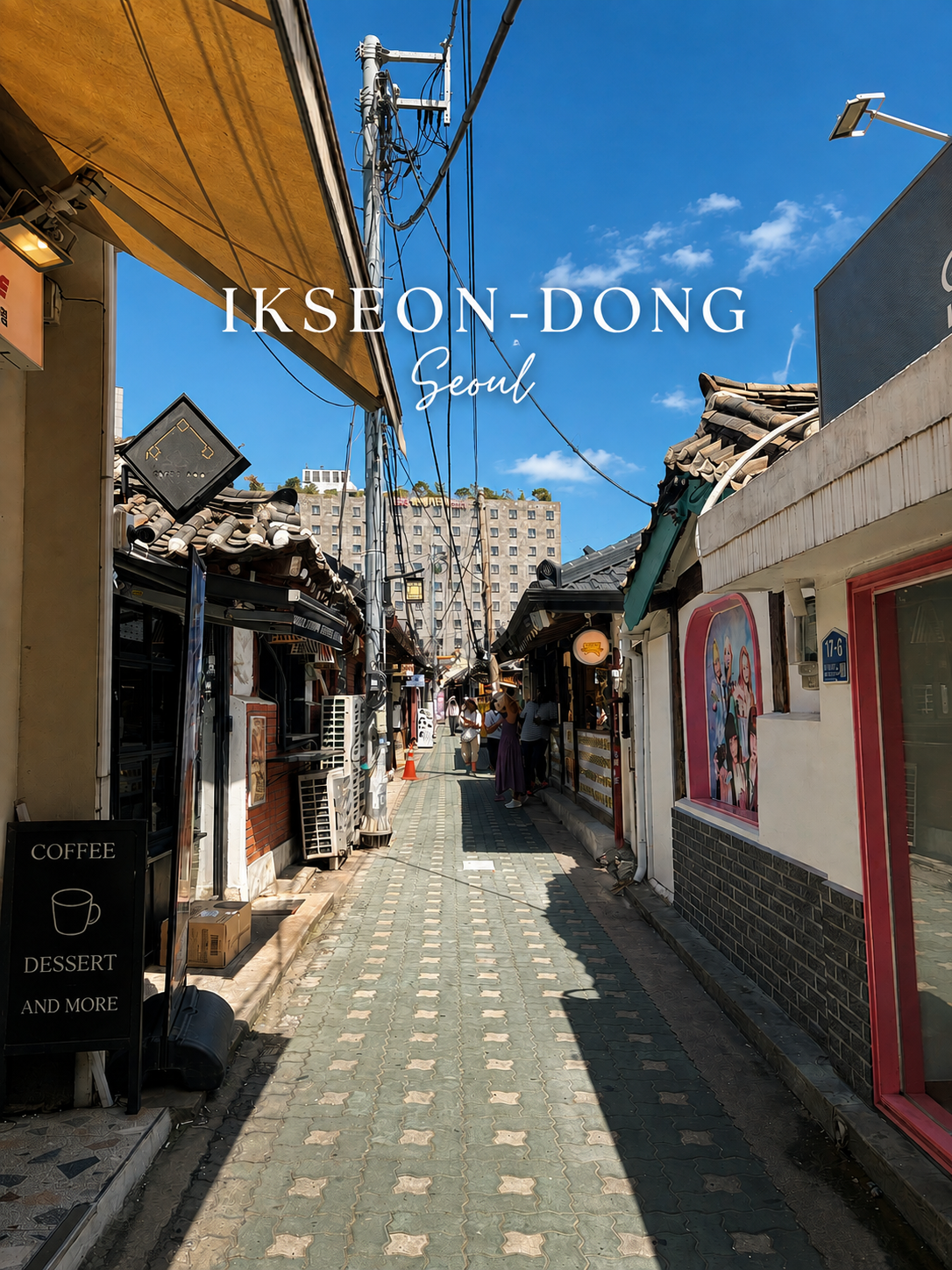
We went to Ikseon-dong four days ago, on a 평일 (pyeongil), weekday, and it genuinely surprised us — we’d braced for the wall-to-wall crowds we’d read about, and instead could actually walk the alleys at our own pace, stop wherever we wanted, and get into places without a wait. If your schedule is flexible at all, a weekday visit is worth planning for.
A hanok village built for regular people
Most of what people picture when they hear “hanok village” in Seoul is Bukchon — grand, aristocratic homes from the Joseon dynasty. Ikseon-dong is a different story. It was developed in the 1920s, during the Japanese colonial period, by a Korean entrepreneur and independence activist named Jeong Se-gwon, who was also racing to keep Korean neighborhoods from being absorbed as Japanese settlers expanded north of Cheonggyecheon. Rather than building for the aristocracy, he designed a new, compact style — the “urban 한옥 (hanok)” — meant for Seoul’s emerging middle class: merchants, teachers, mid-level civil servants. These homes were smaller than Bukchon’s, but modern for their time, with running water, electricity, and an indoor toilet instead of the traditional outdoor one.
By the early 2000s, the city had drawn up plans to tear the neighborhood down for high-rises. That plan was scrapped, and in 2015 Seoul put forward a district plan focused on tourism and revitalization instead. What’s there now is the result: the same century-old hanok shells and the same tangle of 골목 (golmok), alleys, so narrow in places that two people can barely pass side by side, but with cafes, bars, dessert shops, and small boutiques tucked inside instead of family homes.
The cafes are the main event — and some aren’t cheap
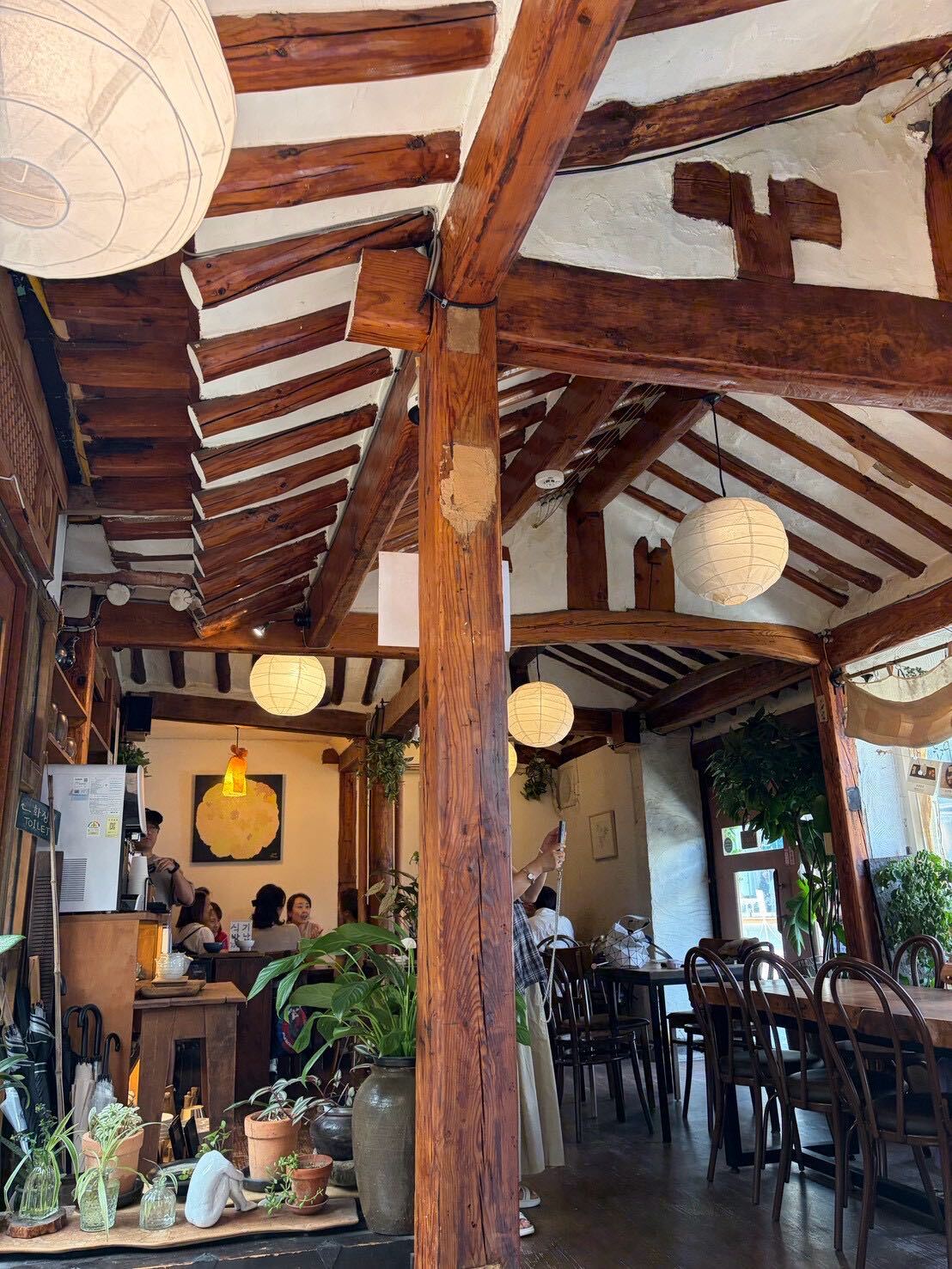
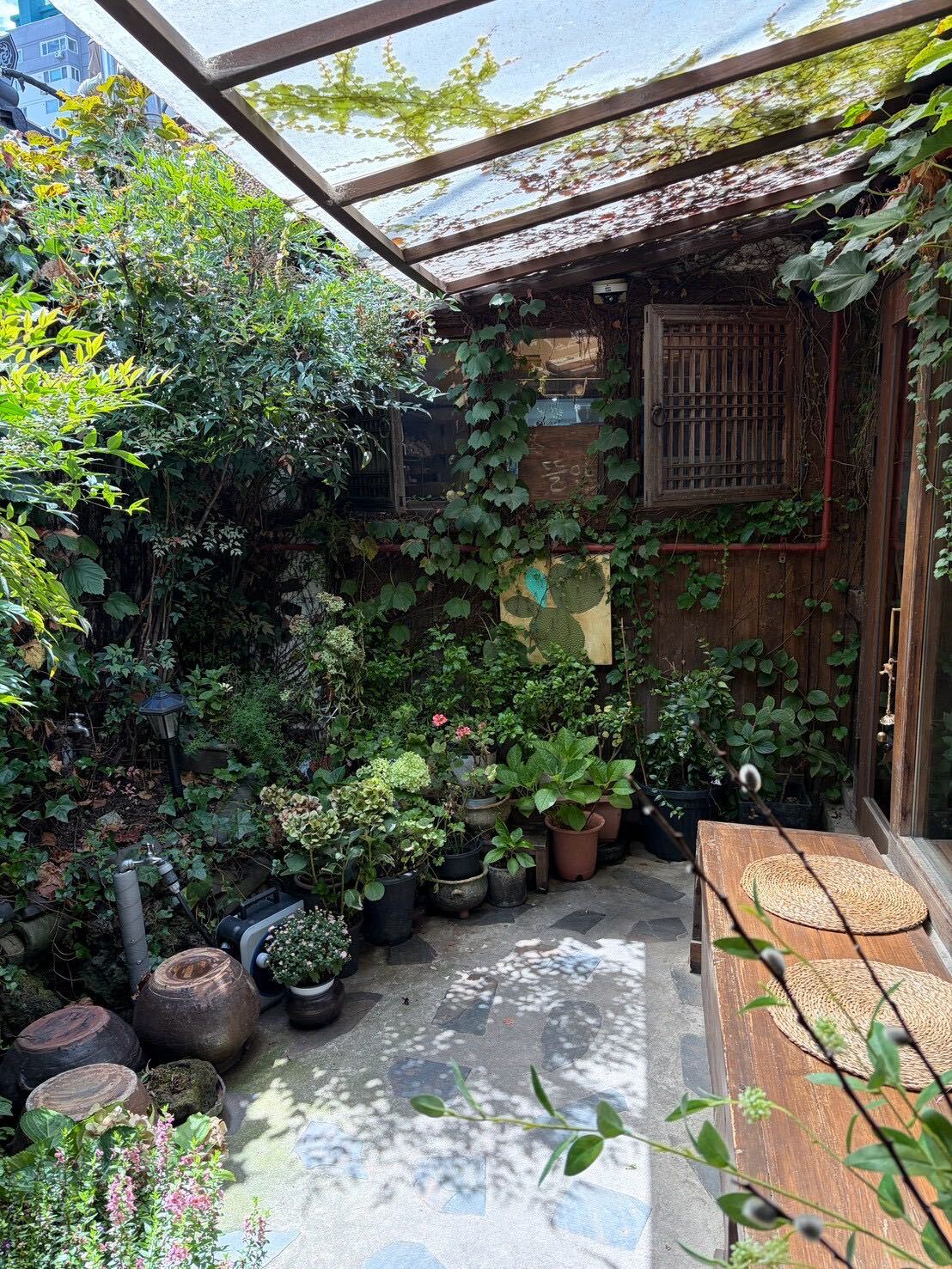
Ikseon-dong’s cafes are genuinely beautiful, and there are a lot of them packed into a small area — every alley seems to have another one worth ducking into, if only to take a photo of the space itself. Old hanok roof beams left exposed, tiny courtyards turned into seating, interiors that lean maximalist or minimalist depending on which door you pick. It’s the kind of neighborhood where “we just went in for a picture” is a completely normal reason to sit down somewhere.
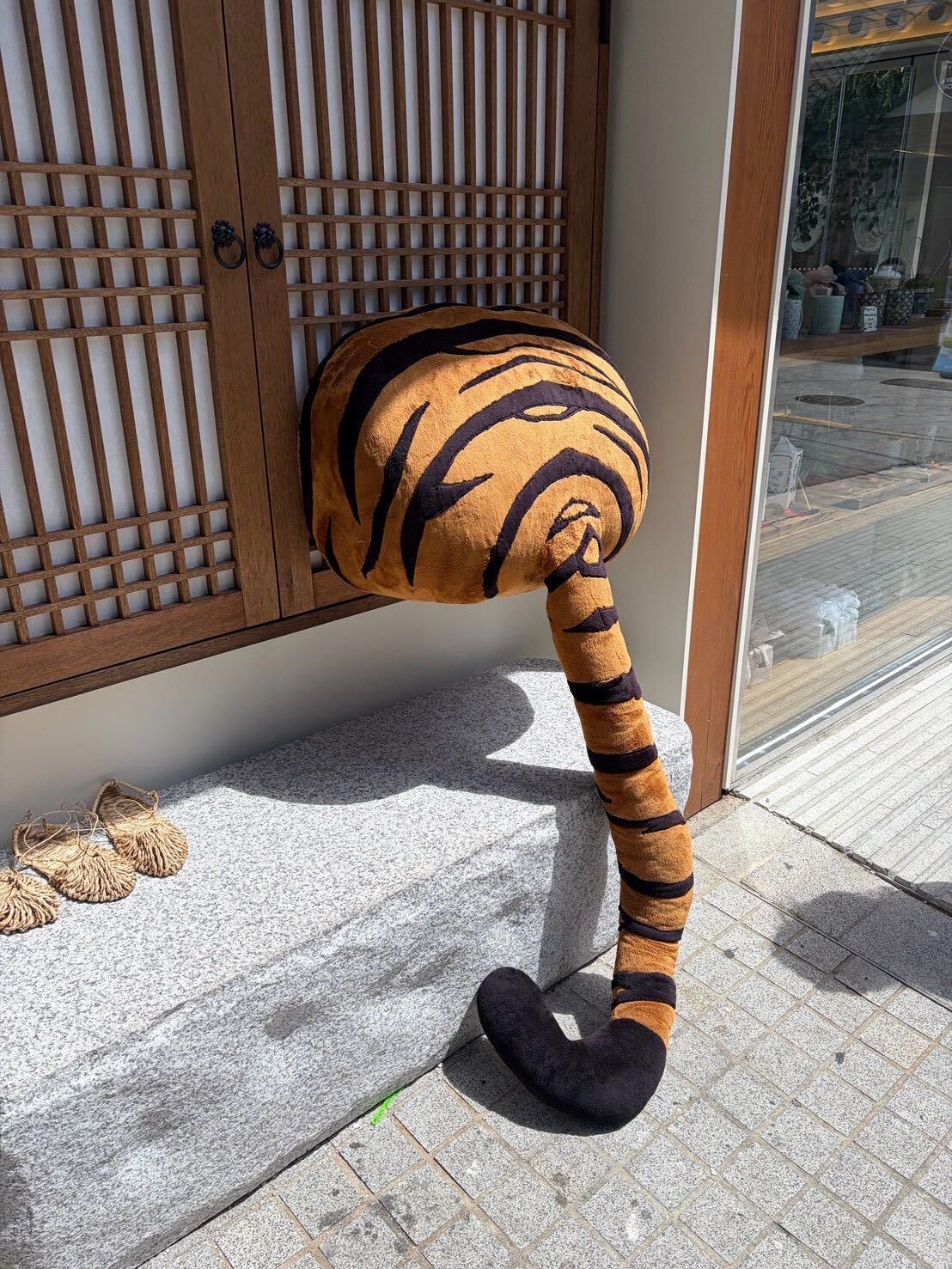
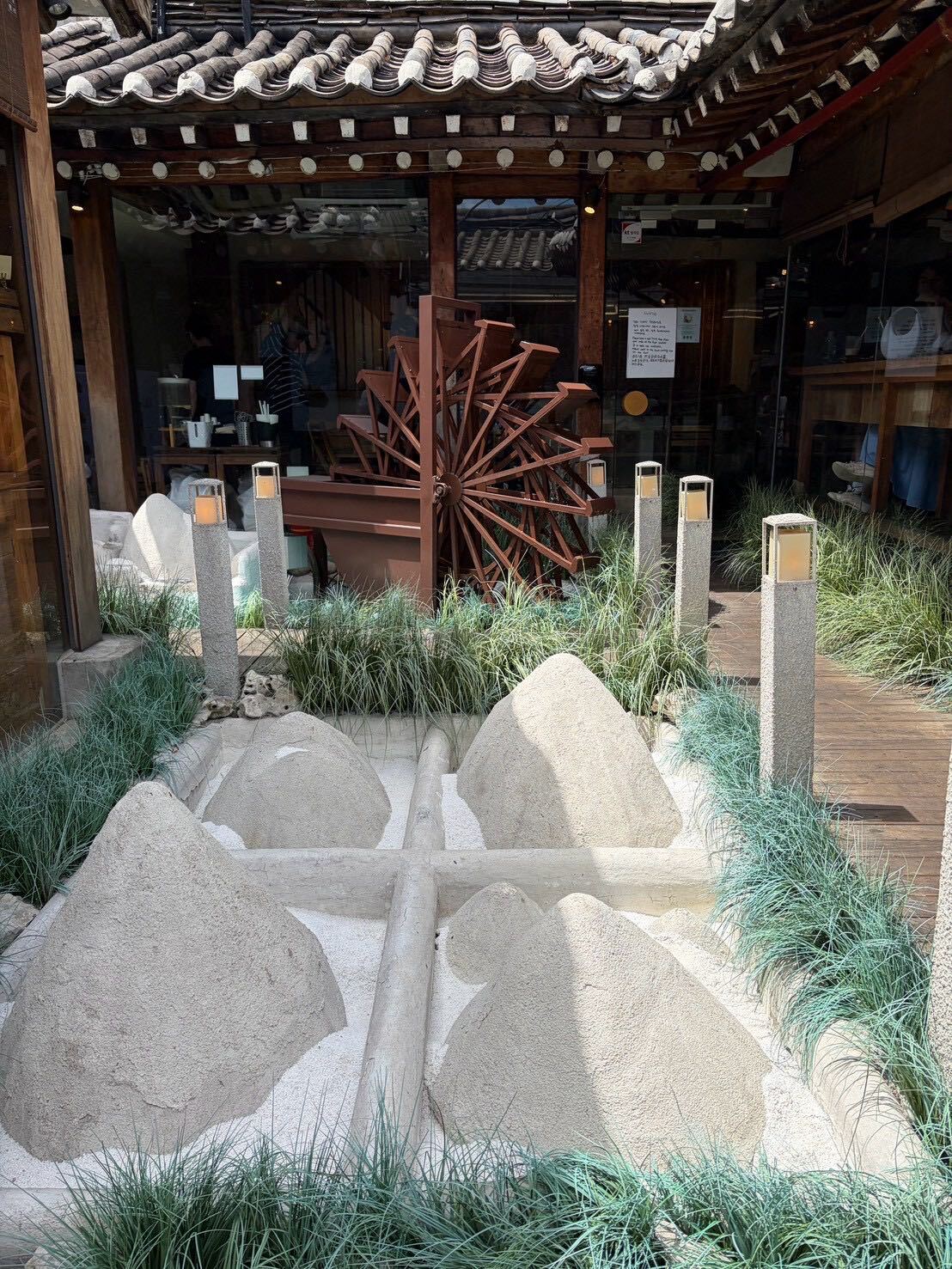
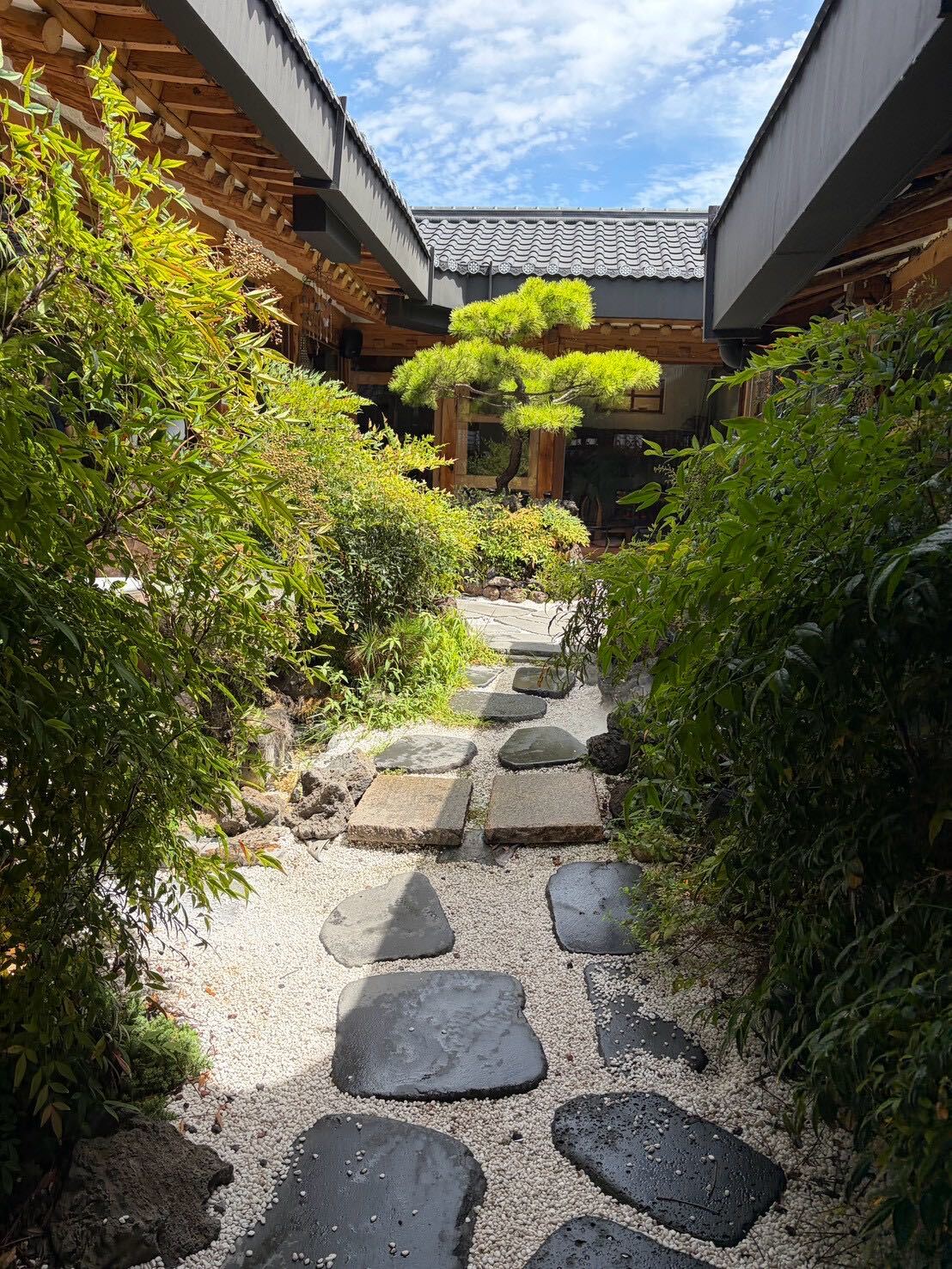
That said, be ready for the prices. Some of the more photogenic cafes charge well above what you’d pay for the same coffee or dessert elsewhere in Seoul — you’re paying for the space and the atmosphere as much as the drink. Worth it for at least one stop, but budget for it rather than assuming Seoul café prices across the board.
Small boutiques worth slowing down for
Beyond the cafes, Ikseon-dong is full of small, niche boutiques — the kind of one-room shops selling things you won’t find in a department store: independent jewelry designers, ceramics, stationery, concept stores that don’t fit neatly into a single category. It’s a good neighborhood to walk slowly rather than beeline toward a landmark.
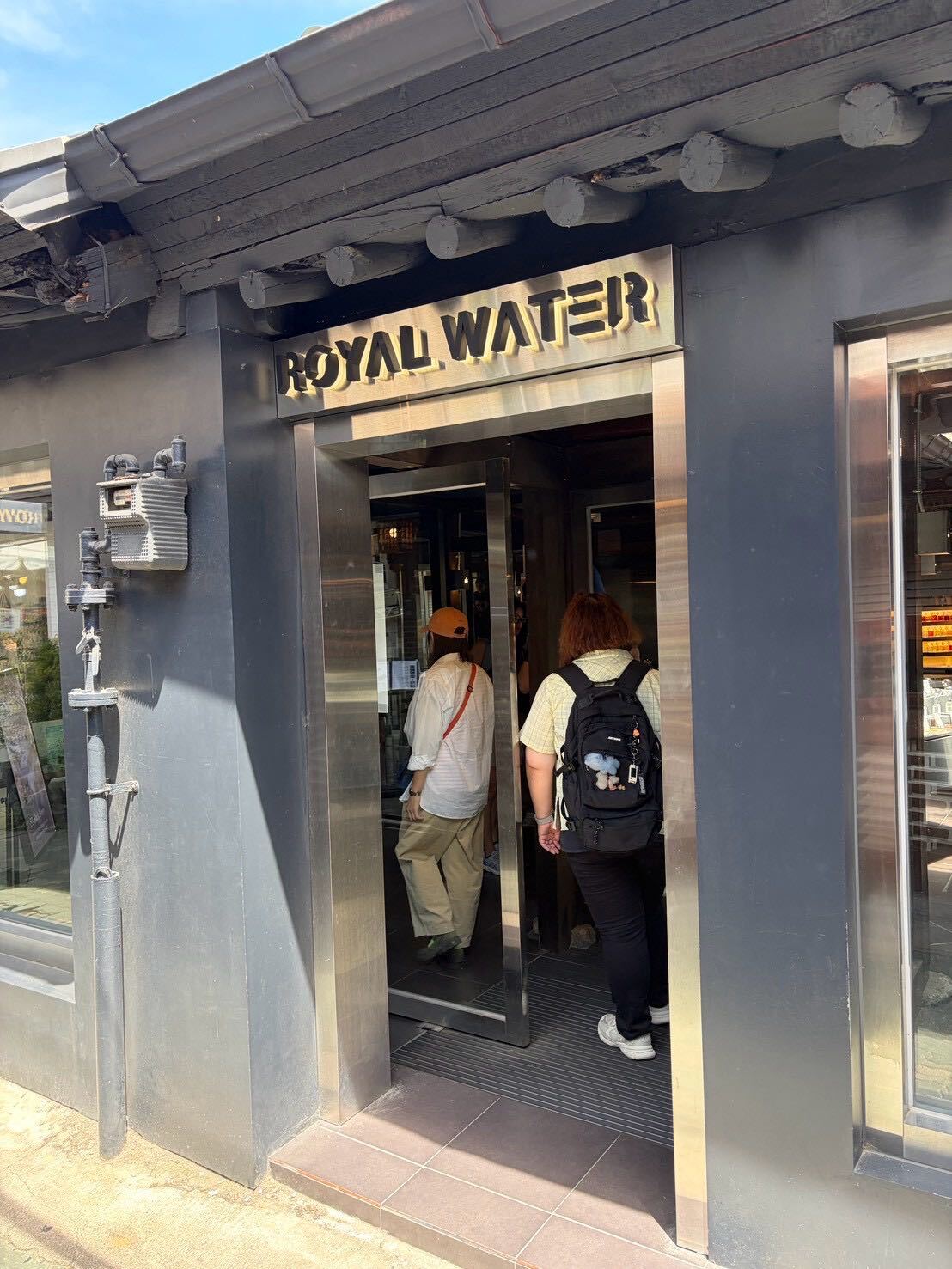
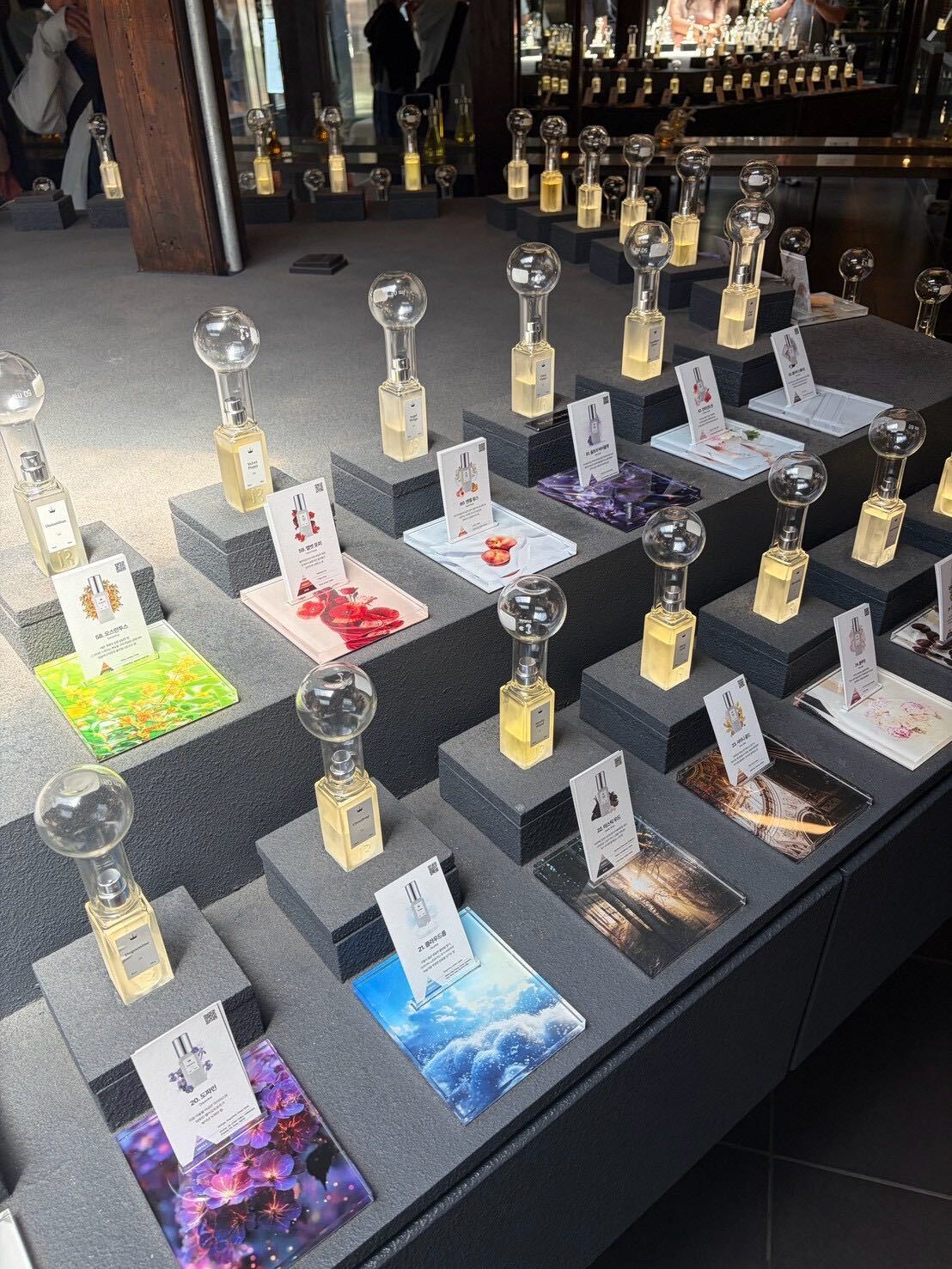
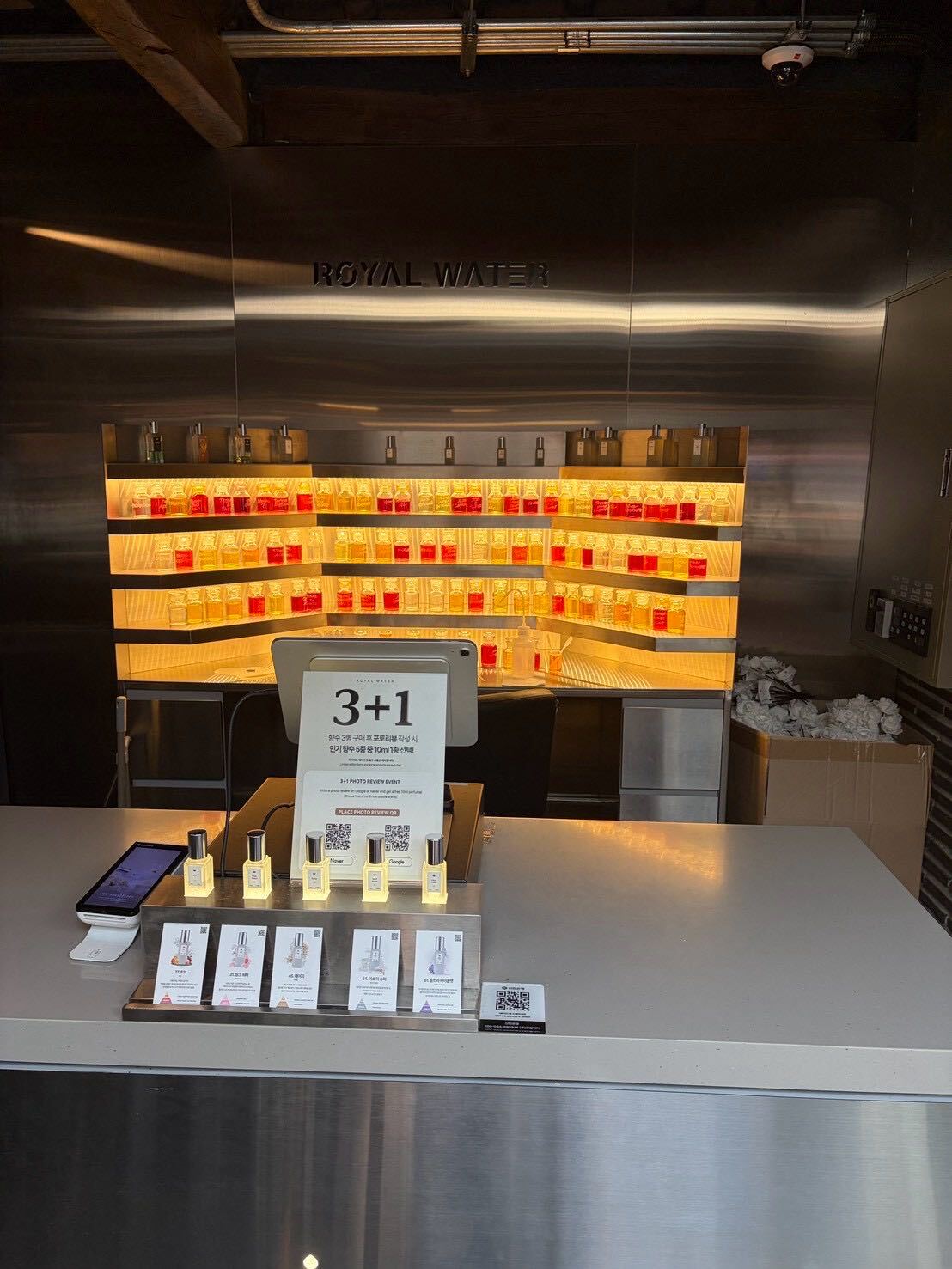
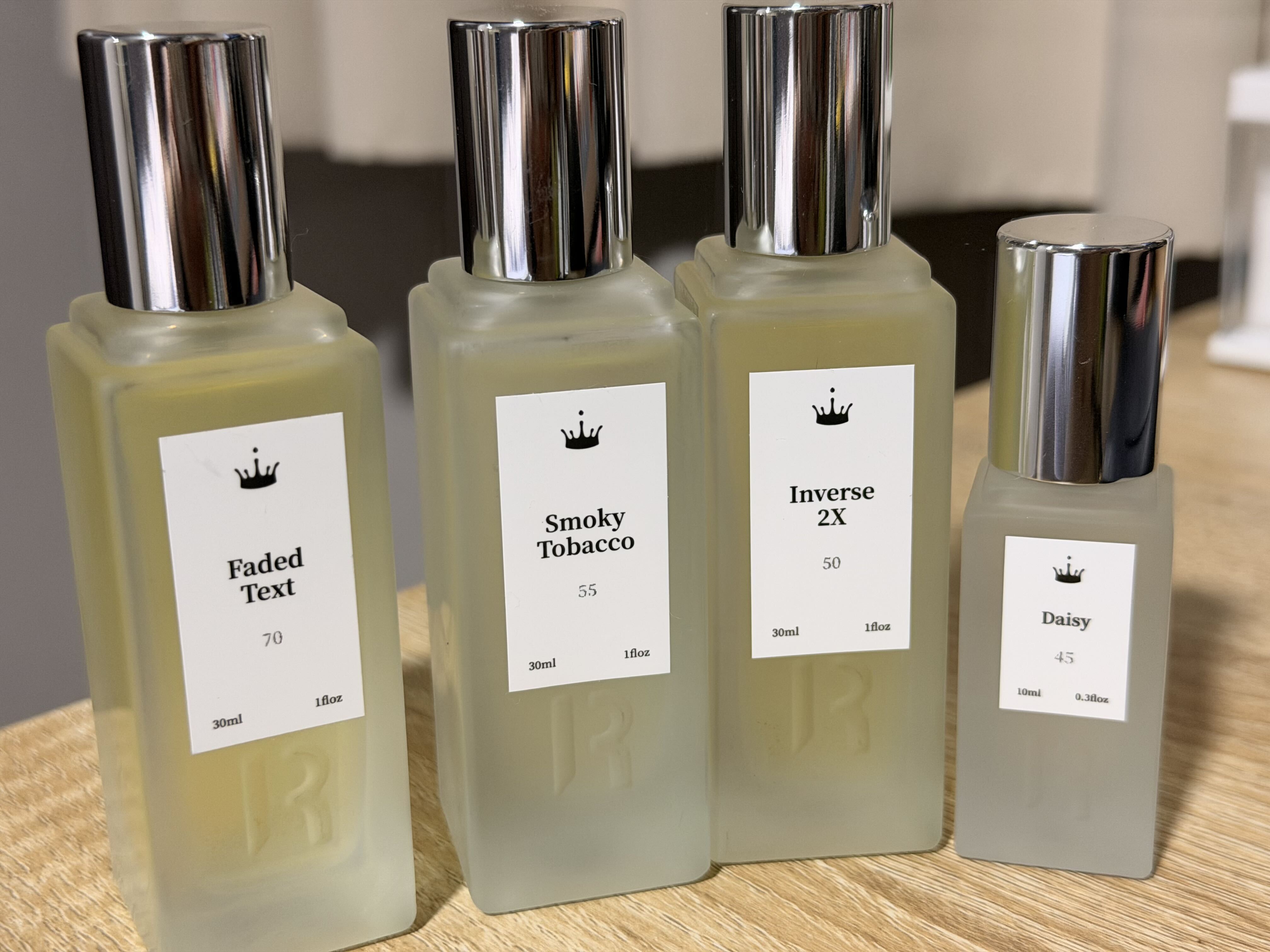
One stop we’d genuinely recommend: Royal Water, a 향수 (hyangsu), perfume, shop just a couple minutes from Jongno 3-ga Station. They stock dozens of different scents to sample and layer, plus perfume keychains and cases, and they had a 3+1 deal running when we visited — buy three, get a fourth free — which made it an easy place to actually commit to buying rather than just smelling our way through the testers. The shop assistant who helped us spoke excellent English and Japanese, which made the whole visit easy even with the language barrier that trips some people up elsewhere.
Lunch: pot rice at Damsot
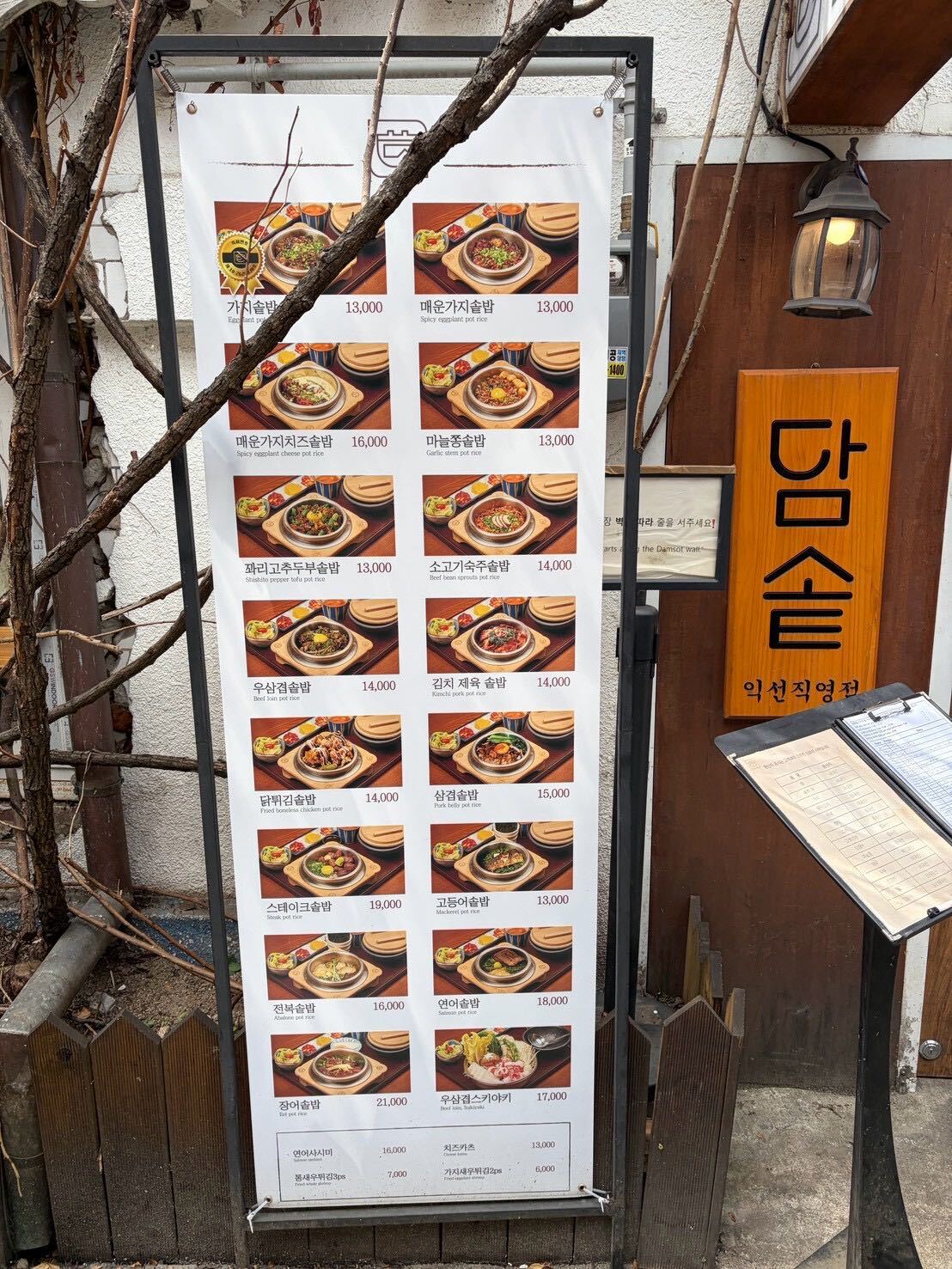
For lunch we stopped at 담솥 (Damsot), specifically the Ikseon-dong direct-run branch. It specializes in 솥밥 (sotbap), pot rice — rice cooked and served in its own small hot pot, topped with everything from eggplant to steak to salmon. The menu board out front lists more than a dozen variations, roughly ₩13,000–21,000 each.
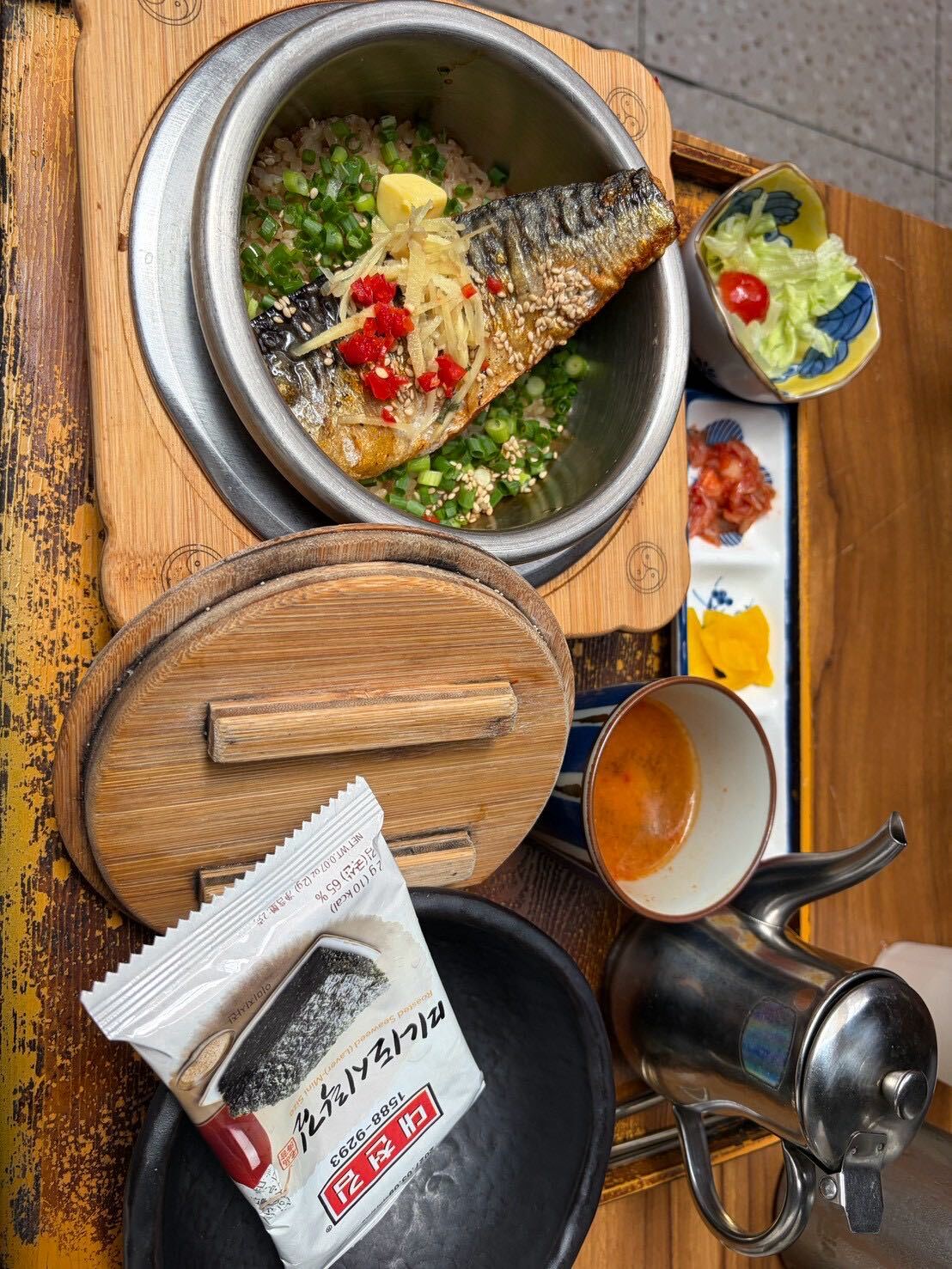
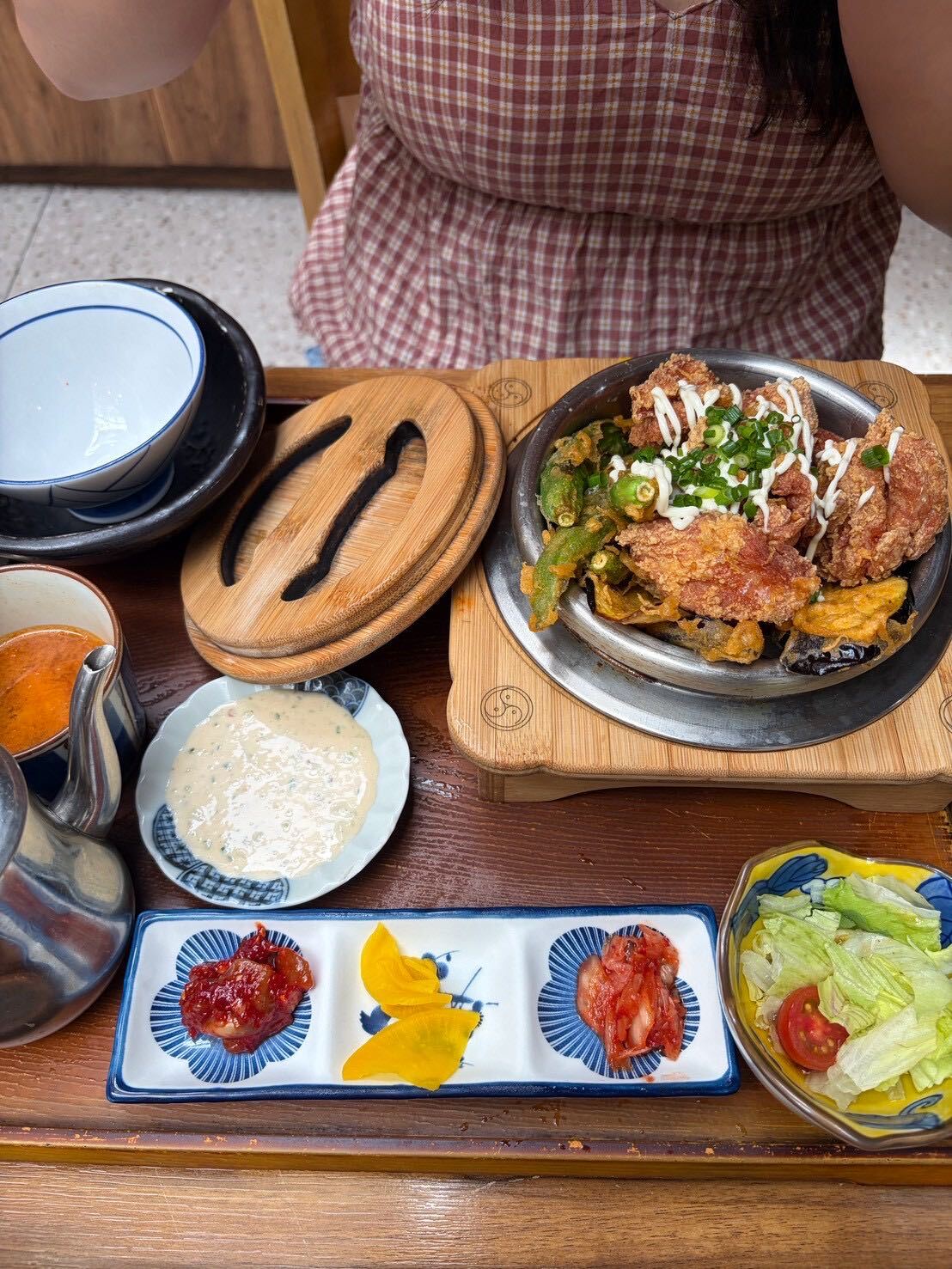
We got the fried chicken pot rice and the mackerel pot rice. Both were genuinely delicious, and the portions were far more generous than we expected for the price — we left properly full rather than needing a second stop.
A traditional teahouse, for something calmer
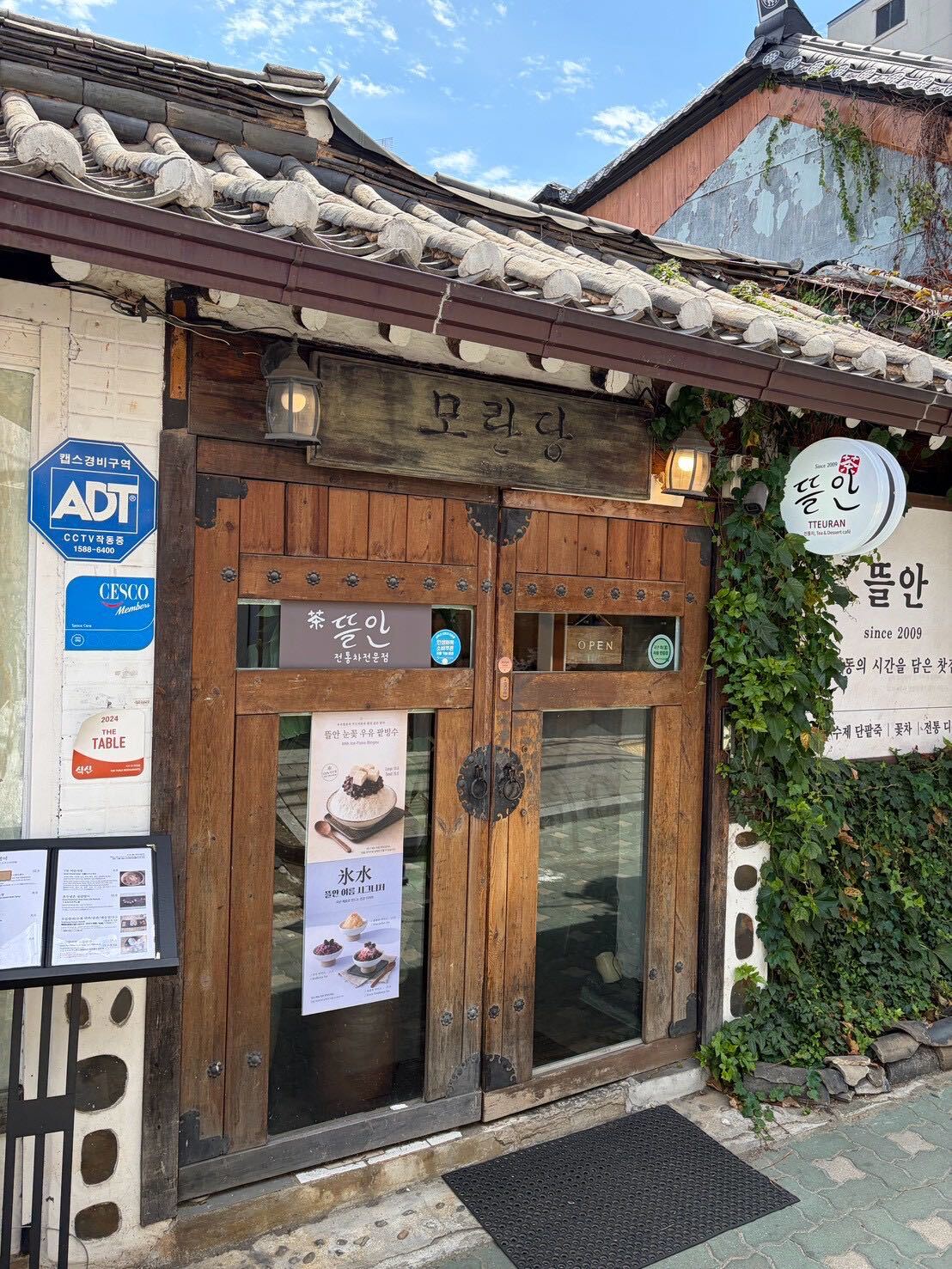
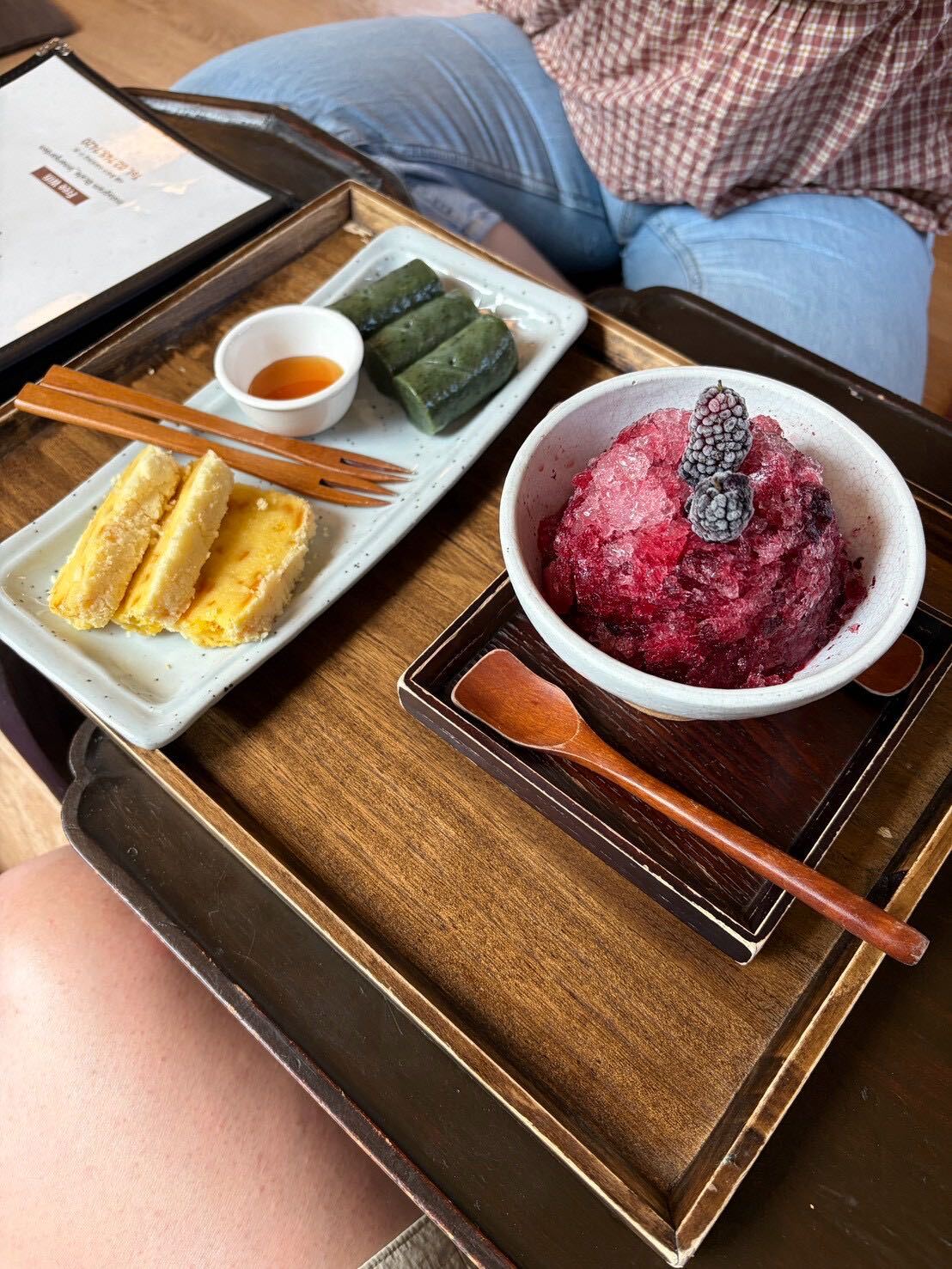
After lunch, we stopped into 뜰안 (Tteuran), a traditional tea and dessert cafe that’s been open since 2009 — the kind of place serving 빙수 (bingsu), shaved ice, and 떡 (tteok), rice cake, alongside herbal drinks and teas marketed as good for your body rather than just something sweet. It was a nice change of pace from the trendier, more Instagram-built cafes nearby — slower, quieter, and it felt like an actual break rather than another photo stop. If you want one moment in Ikseon-dong that isn’t about the aesthetics, look for one of these traditional spots.
Is it worth the visit?
Yes — especially if you can go on a weekday. Ikseon-dong packs a lot into a small footprint: real history behind the hanok facades, cafes worth photographing even if you don’t stay, boutiques worth browsing slowly, a perfume shop worth the detour, and at least one traditional teahouse worth sitting down in properly. Just go in expecting to spend more than you would elsewhere for the cafe experience, and you won’t be caught off guard.