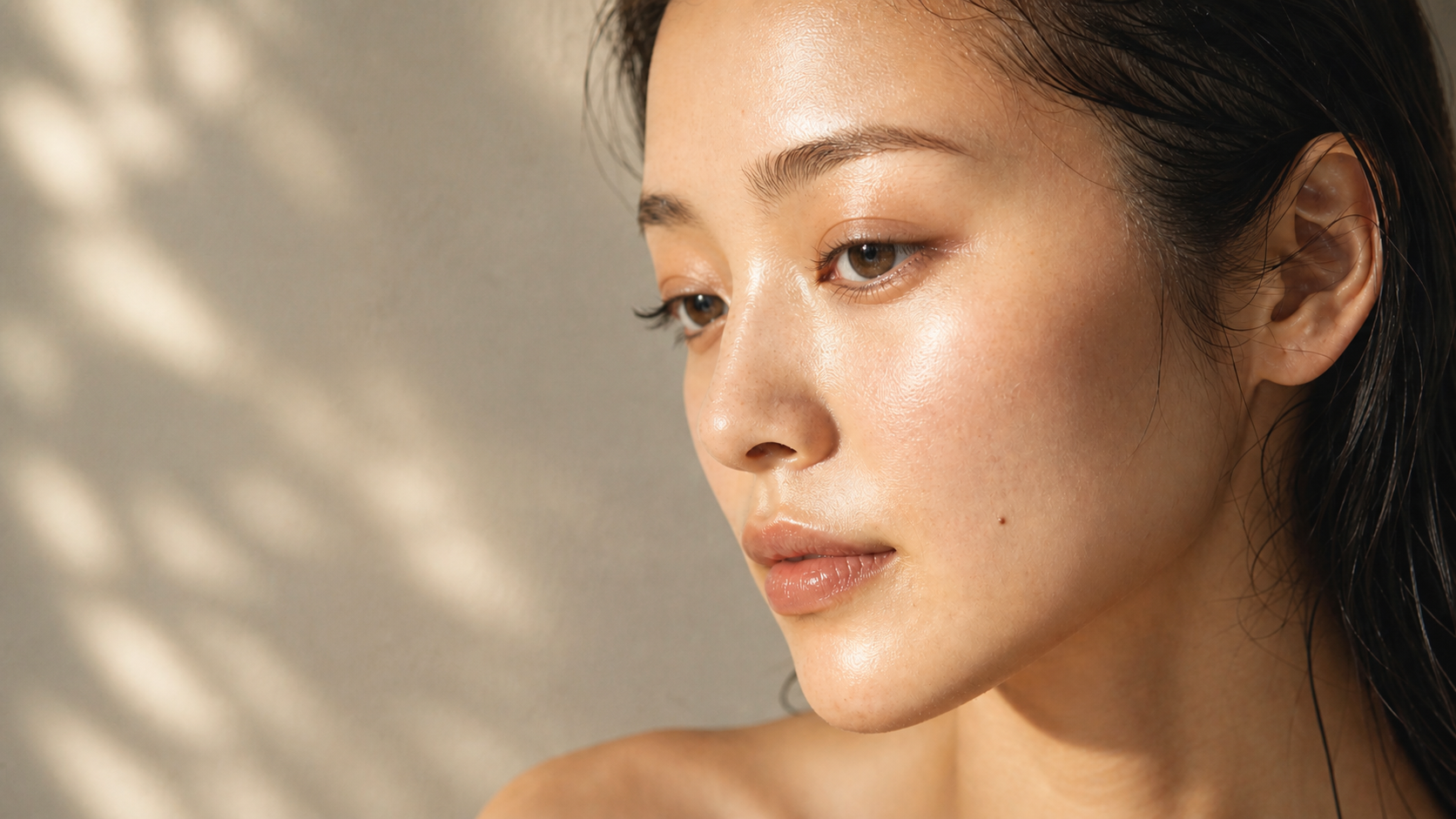
물광 피부 (mulgwang pibu), “water-light skin,” is the actual Korean phrase behind what gets marketed abroad as “glass skin” — skin so clear, hydrated, and even-toned it looks like it’s reflecting light. Not shiny, not filtered, just deeply healthy. It’s less about a single miracle product and more about how you layer and seal in hydration, step by step. Here’s the routine broken down, with real products you can actually source (Olive Young now ships to the US with no tariff fees and free shipping over $35, so linking straight to the source is easier than ever).
The shift in 2026
The old “10-step” era was about piling on as many products as possible. The current approach is more selective: fewer, more targeted products layered with intention, with the focus on 피부장벽 (pibu jangbyeok), skin barrier, health and consistent hydration rather than sheer product count. That’s good news if you’ve felt overwhelmed by the idea of glass skin requiring a 10-bottle shelf — it doesn’t.
Step 1: Double cleanse
Start with an oil-based cleanser to dissolve sunscreen, makeup, and the day’s buildup, then follow with a gentle, low-pH water-based cleanser. This 이중세안 (ijung sean), double cleanse, is the foundation everything else depends on — no product performs well on a poorly cleansed base.
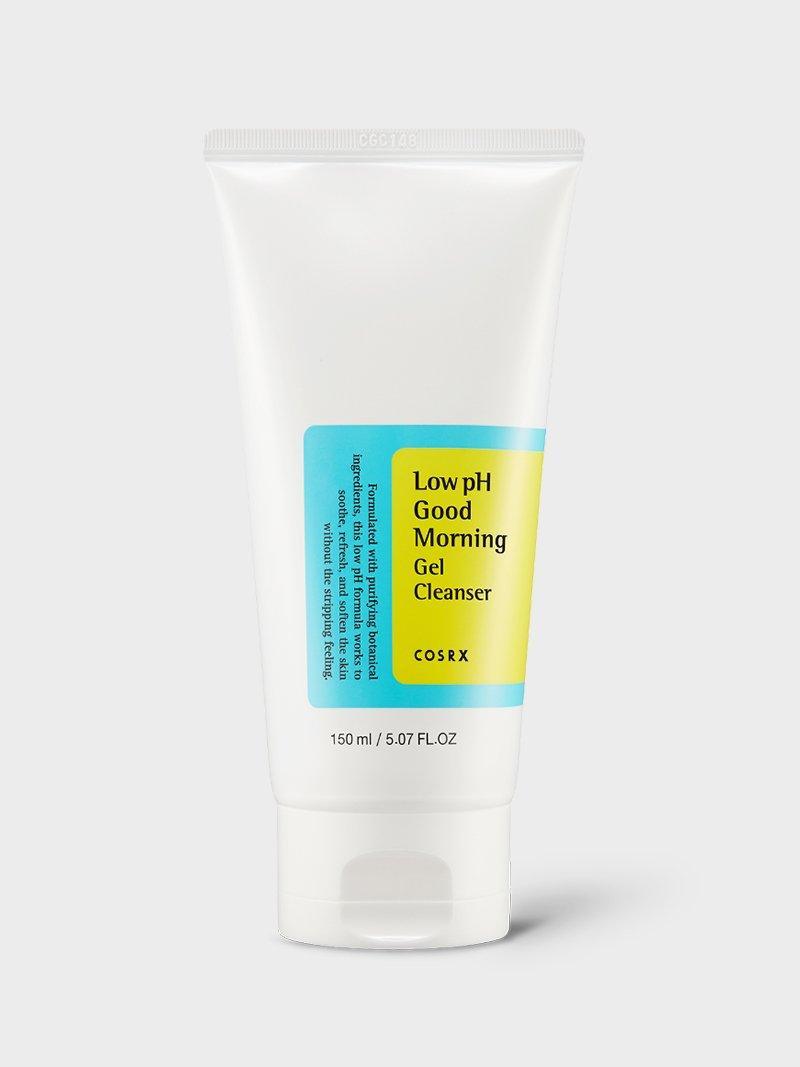
Image: COSRX (cosrx.com).
Try: COSRX Low pH Good Morning Gel Cleanser, a well-known budget pick for the second cleanse step.
Step 2: Toner, layered 3–4 times
This is the step most Western routines skip or under-use. In K-beauty, toner isn’t a quick swipe — it’s pressed into damp skin in multiple thin layers to build a real hydration base before anything else goes on.
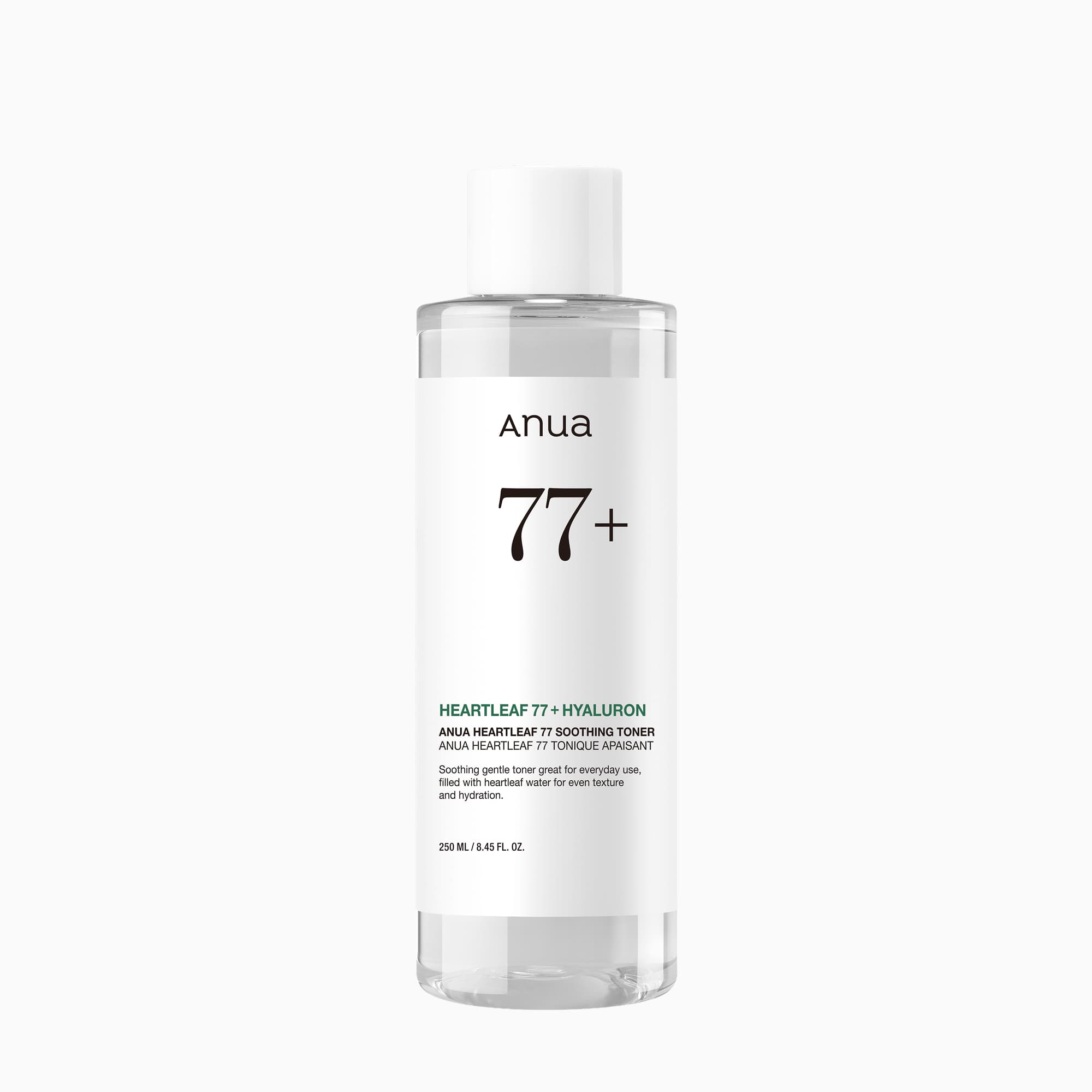
Image: Anua (anua.com).
Try: Anua Heartleaf 77% Soothing Toner, a heartleaf-based toner known for calming and hydrating even sensitive or acne-prone skin. If you’re short on time, toner pads (pre-soaked with toner/essence) are a faster way to get a similar effect while gently lifting away 각질 (gakjil), dead skin cells.
Step 3: Essence
Essence sits between toner and serum — lighter than a serum, but more concentrated than toner. Its job is to keep boosting hydration and prep skin to absorb everything that follows.
Try: A low-molecular hyaluronic acid serum works well in this slot — light enough not to feel sticky, but effective at pushing hydration deeper into skin.
Step 4: Targeted treatment (ampoule/serum)
This is where you address a specific concern — brightening, redness, texture — rather than layering multiple actives at once. The 2026 approach favors one well-chosen treatment product over several competing ones.
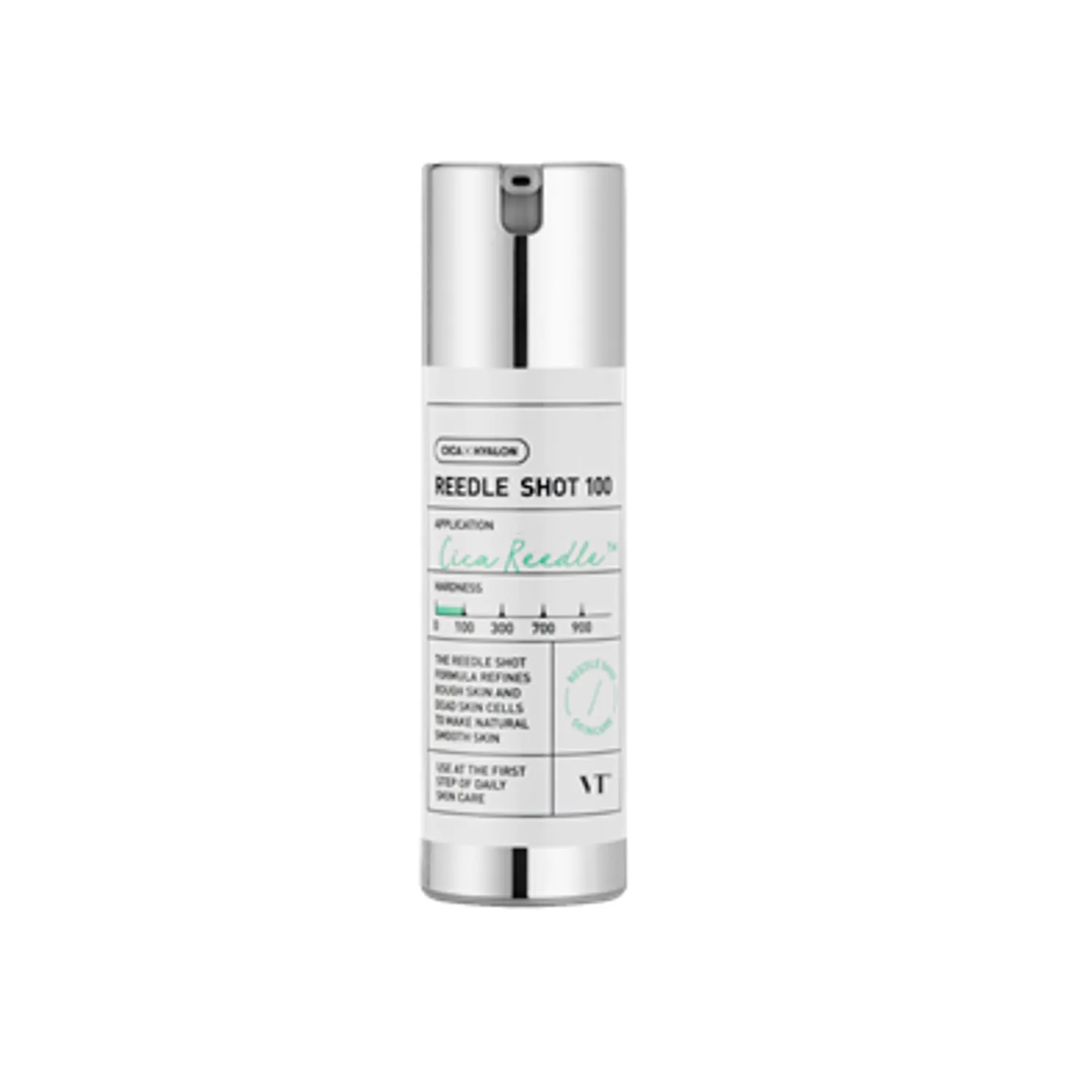
Image: Olive Young Global (oliveyoung.com).
Try: VT Reedle Shot 100 Essence, which uses micro-fine textures to help treatment ingredients absorb more effectively and support smoother-looking skin. SKINFOOD’s Carrot PDRN Pad is also worth having on hand as a 2–3x-weekly treatment layer, tapping into the newer PDRN “repair ingredient” trend.
Step 5: Moisturizer (the barrier step)
물광 피부 is impossible without a strong skin barrier, and this is the step that locks everything in. Look for ceramides, centella, or madecassoside — ingredients built specifically to calm and reinforce skin rather than just sit on top of it.
Step 6: SPF, never optional
Korean sunscreens have earned their reputation: lightweight, no white cast, and genuinely wearable under makeup. Skipping this step undoes a lot of the other work, since UV exposure is one of the fastest ways to undo hydration and barrier gains.
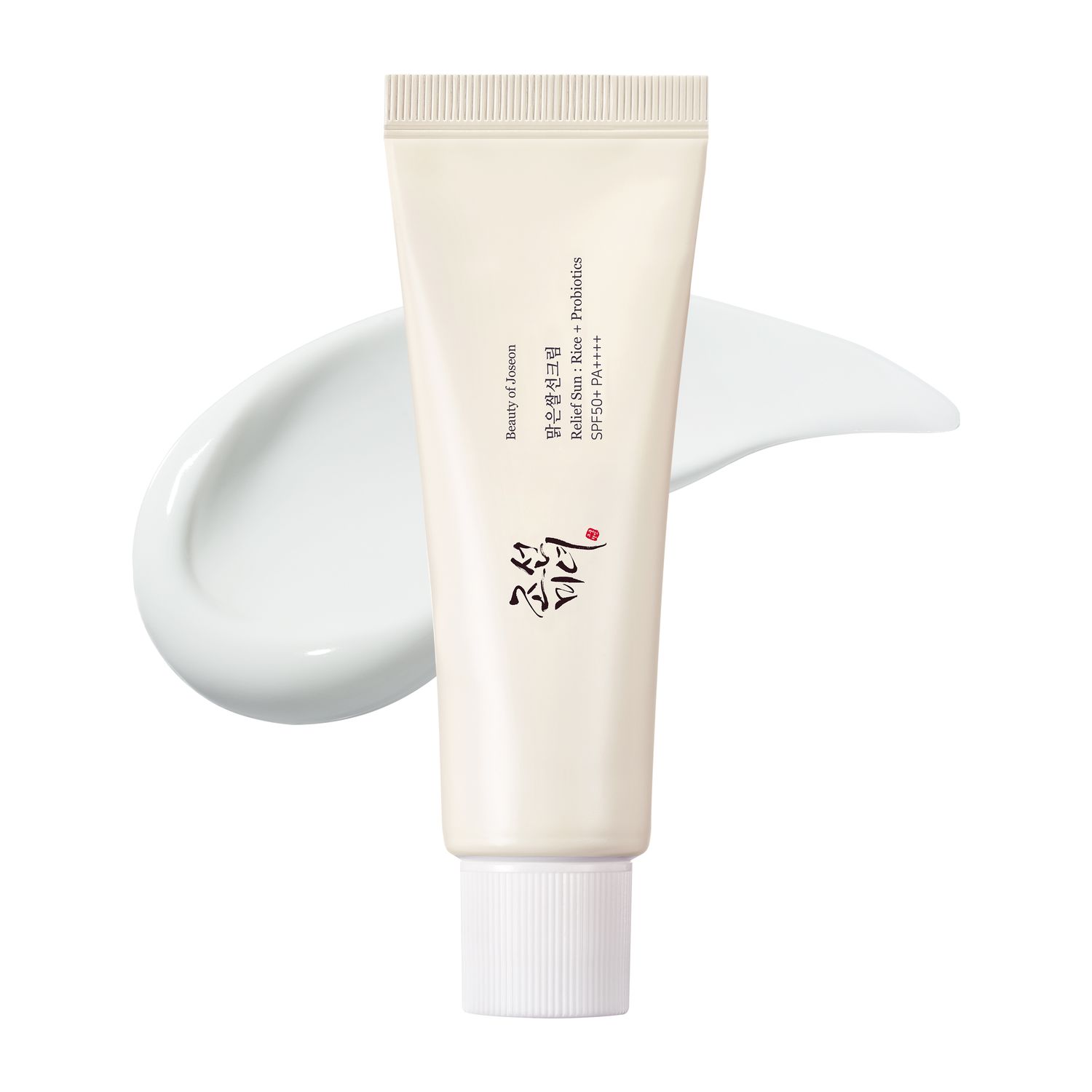
Image: Olive Young Global (oliveyoung.com).
Try: Beauty of Joseon Relief Sun: Rice + Probiotics (a long-running favorite) or Isntree Hyaluronic Acid Watery Sun Gel as a slightly more budget-friendly alternative.
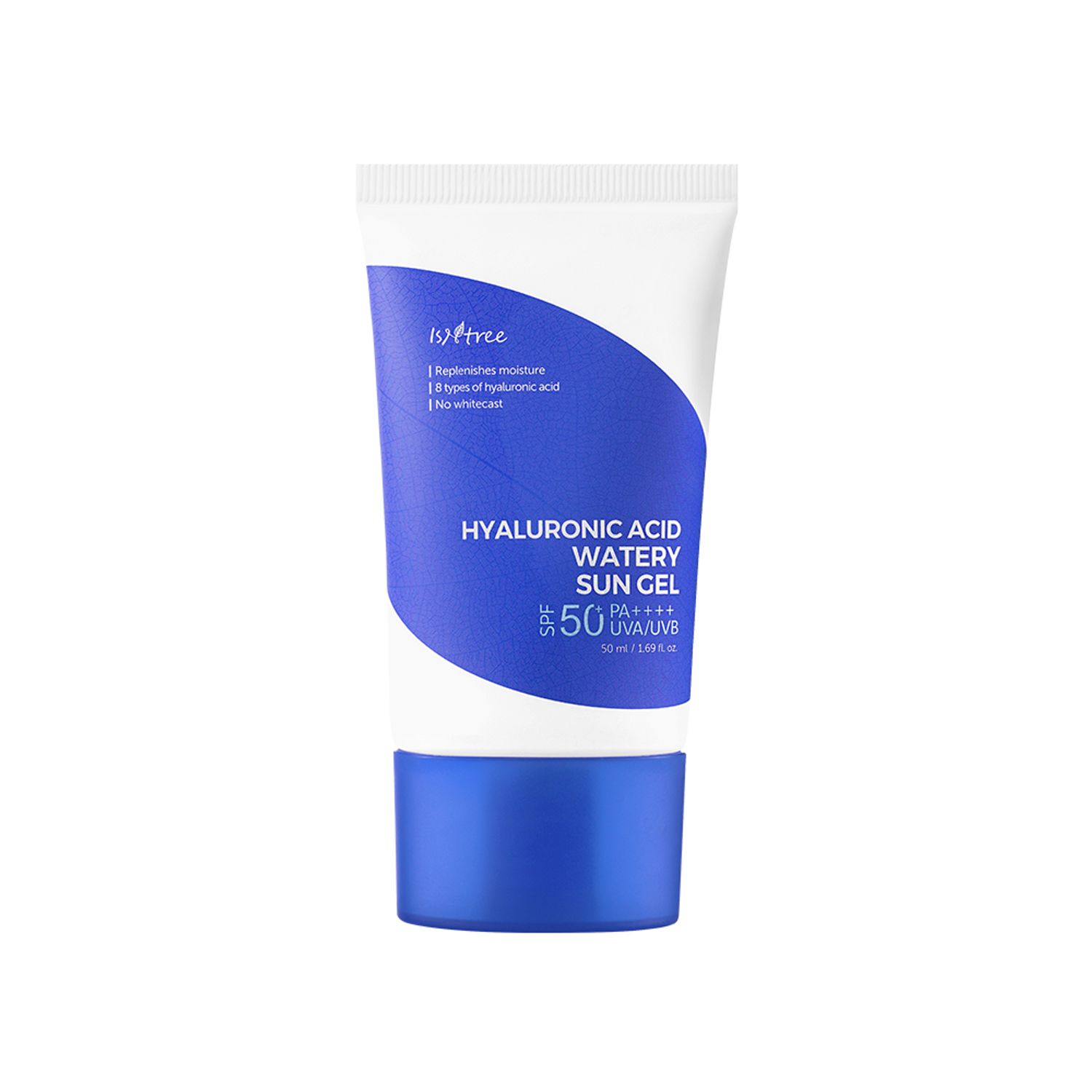
Image: Olive Young Global (oliveyoung.com).
Weekly extra: sheet mask night
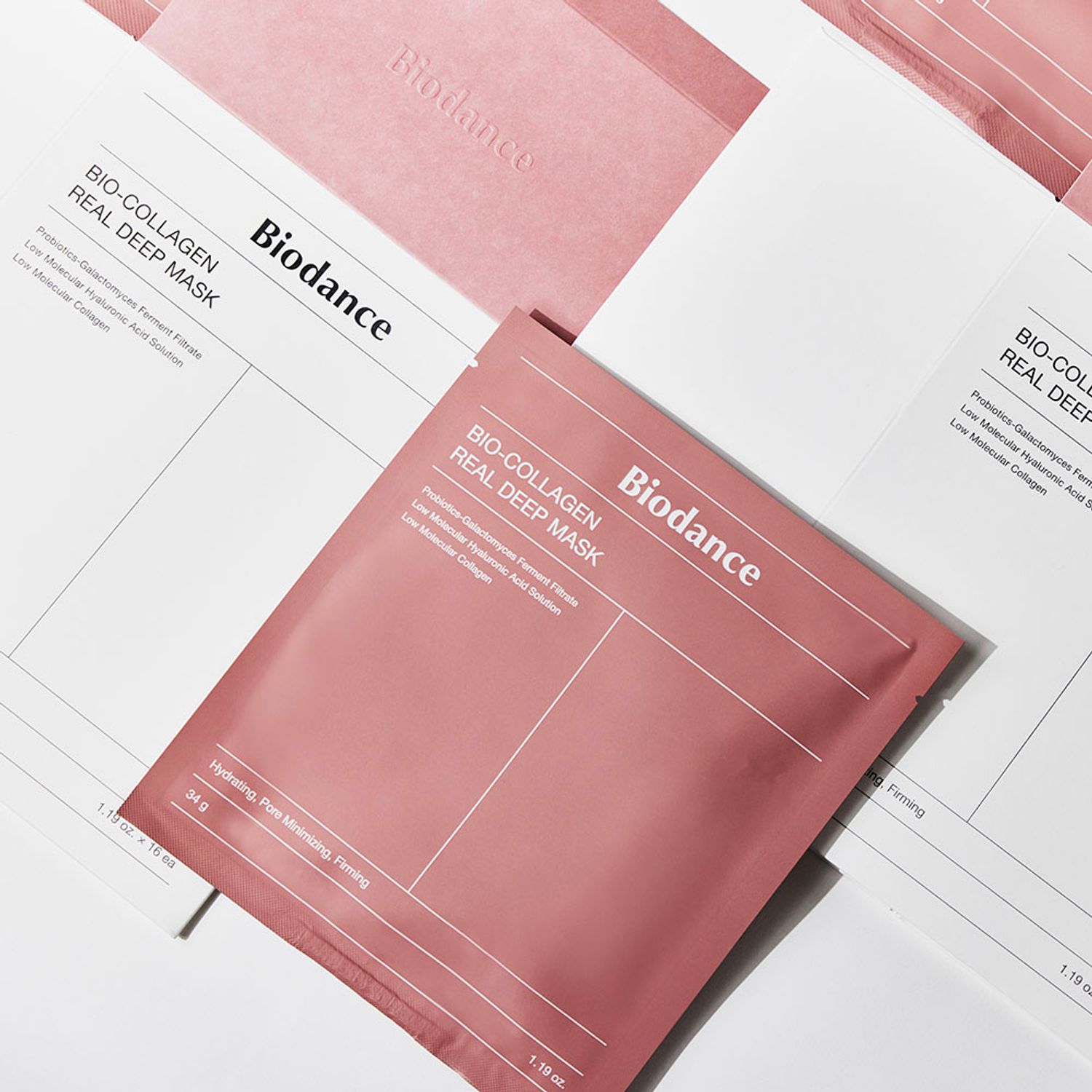
Image: Olive Young Global (oliveyoung.com).
Once or twice a week, swap your essence/treatment step for a sheet mask night. Biodance’s Bio-Collagen Real Deep Mask has become a genuine 인생템 (inseongtem), “life item,” for a lot of people — one use noticeably plumps and hydrates, making it a good “reset” step if your skin’s feeling dull or tight.
The real secret
None of this works without consistency. Skincare in Korea is treated as maintenance, not a quick fix — most of these products need 8–12 weeks of regular use before you see the compounding effect. Resist the urge to switch products every week chasing instant results; the routine works because it’s repeated, not because any single bottle is magic.
Want it taught hands-on?
If you’re actually in Seoul and would rather have someone walk you through this in person than piece it together from a blog post, Klook runs a 90-minute K-Beauty Masterclass: Achieve Glass Skin experience at CYoung Makeup Studio in Seocho-gu — a personalized skin consultation paired with a full glass-skin routine walkthrough, taught by CYoung, a Seoul-based makeup artist who’s run the class for over 30,000 guests since 2017.
Affiliate link — we may earn a small commission at no extra cost to you.
Shopping note: all products mentioned are available through Olive Young’s US site, which now ships domestically with no added tariff fees.