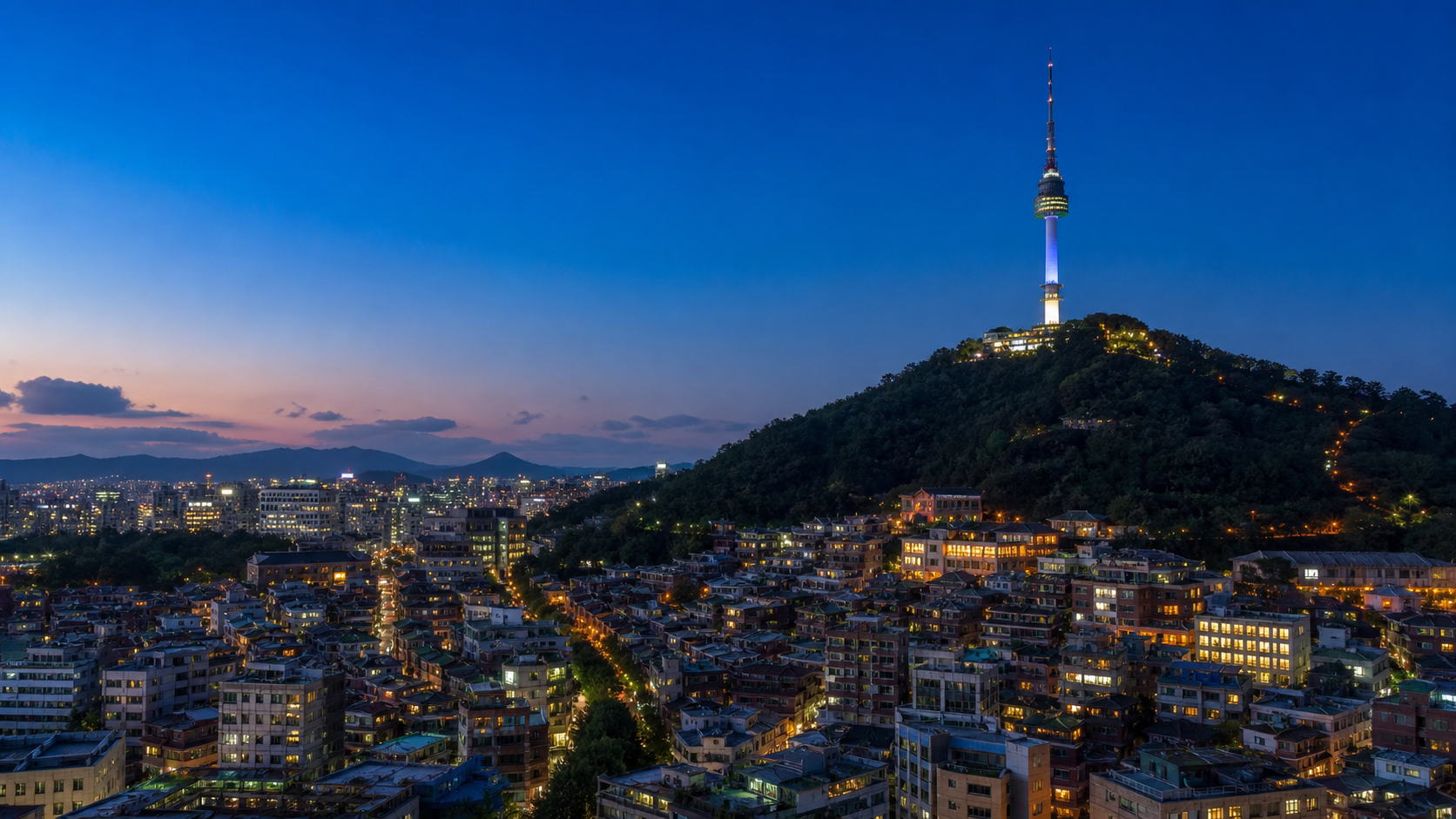
Seoul is one of those cities that manages to feel like two places at once — centuries-old palaces sitting a few subway stops from glass skyscrapers and rooftop cafes. Four days isn’t enough to see everything, but it’s enough to get a real feel for the city if you plan it right. Here’s a day-by-day route that balances history, food, views, and modern Seoul without doubling back across the city.
Day 1: Palaces and old Seoul
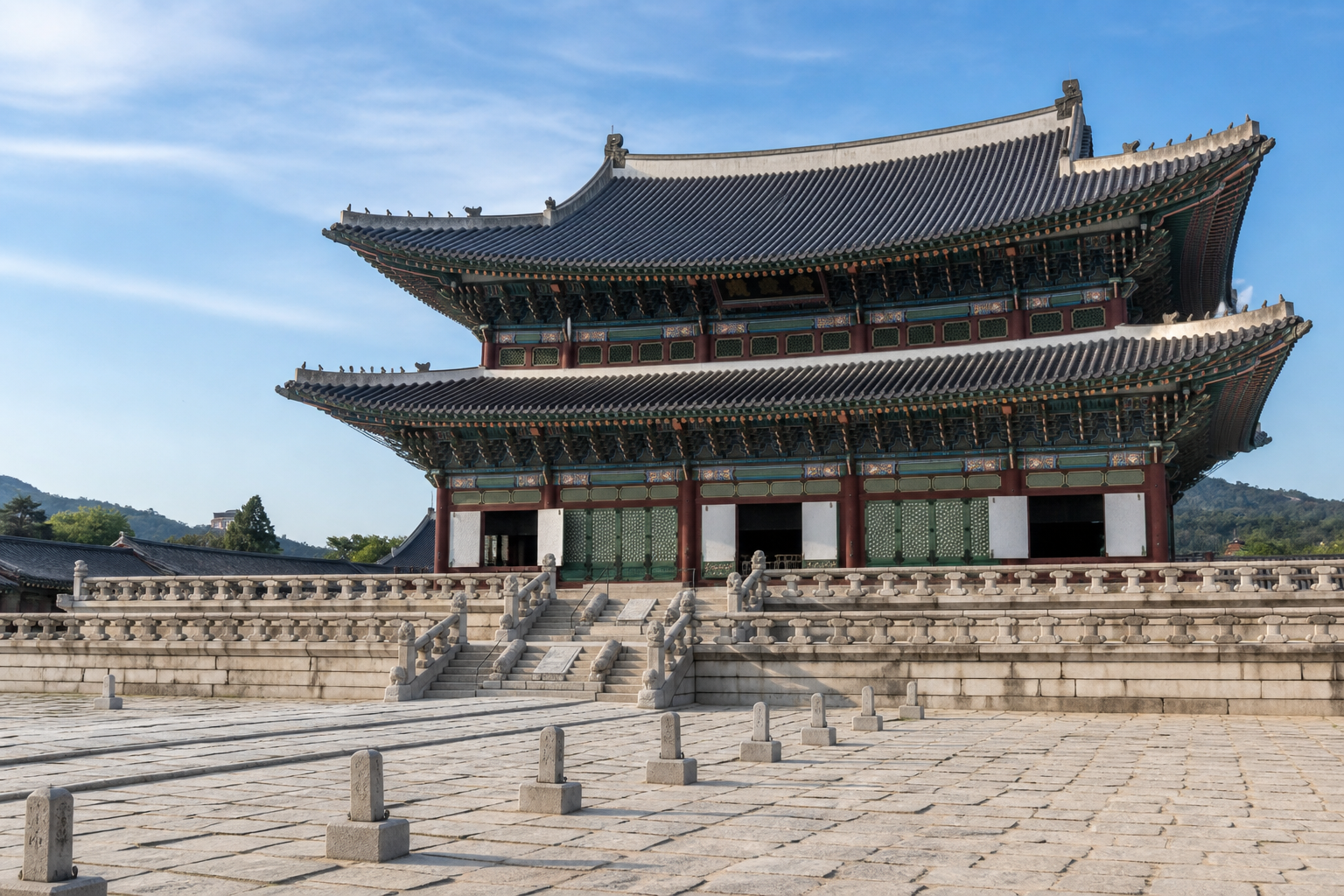
Morning — Gyeongbokgung Palace. Start at the largest and most iconic of Seoul’s Five Grand 궁궐 (gunggwol). Try to arrive by 9–10am to beat the crowds and catch the 수문장 교대식 (sumunjang gyodaesik), the Changing of the Guard ceremony, held twice daily at 10am and 2pm. Closed on Tuesdays, so plan around that if your trip lands on one.
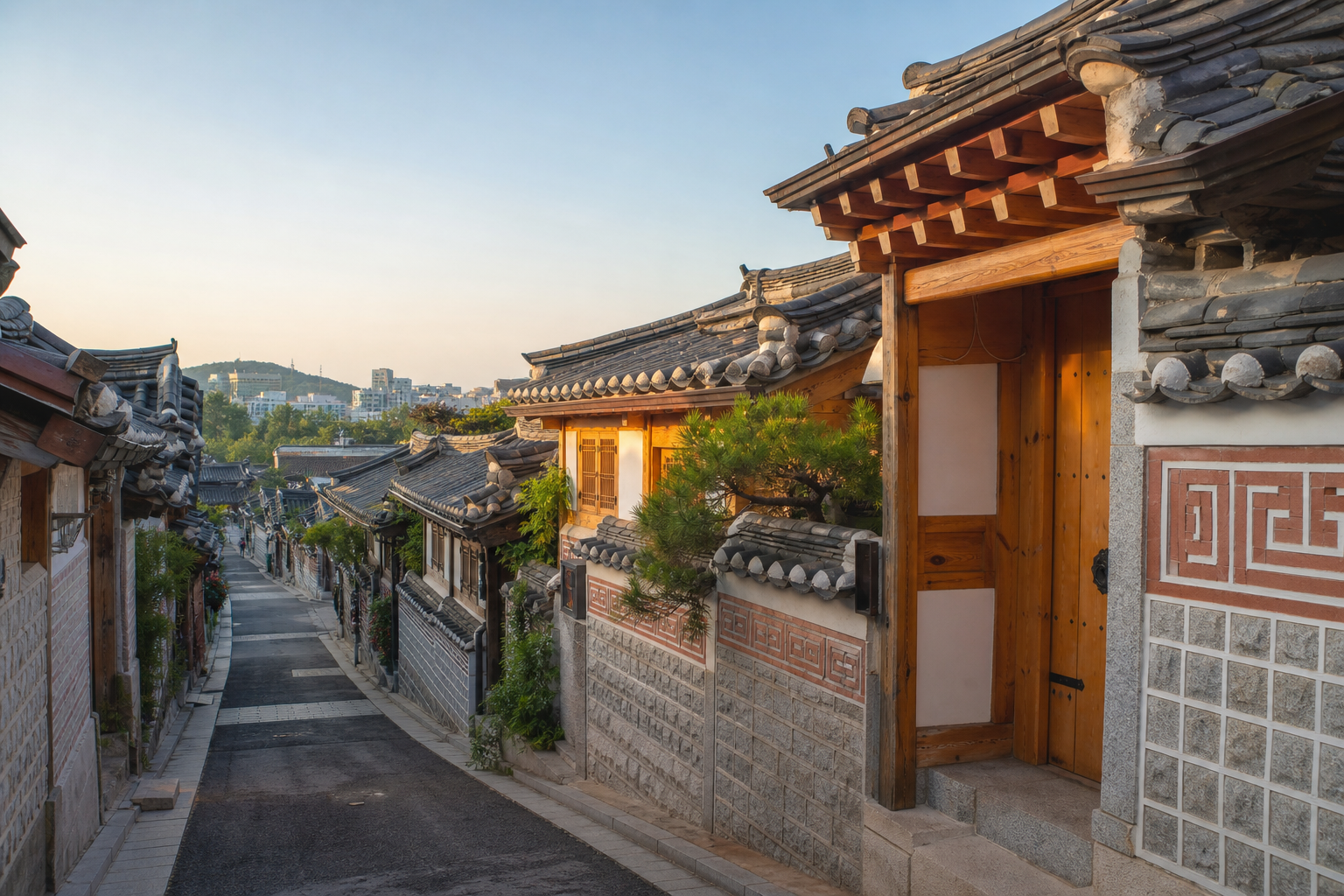
Late morning — Bukchon Hanok Village. A short walk from the palace, this traditional 한옥 (hanok) neighborhood is best experienced early — 30–45 minutes before 9am if you can manage it, since the alleys go from quiet and atmospheric to crowded fast once tour groups arrive. Even arriving mid-morning still gets you photo-worthy rooftop views and a sense of what old Seoul looked like.
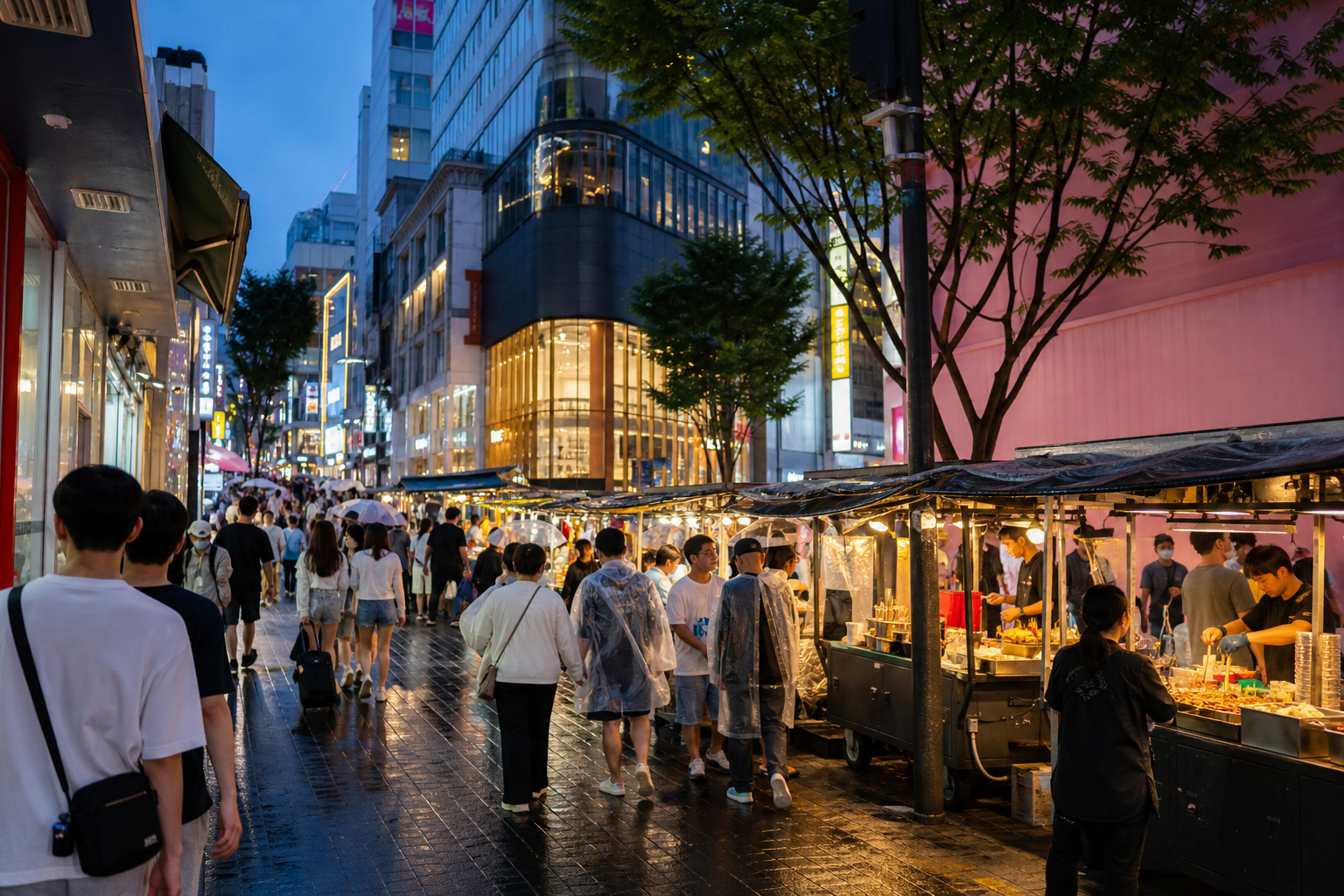
Afternoon — Myeongdong. Chaotic in the best way — street food stalls, K-pop blasting from storefronts, and more skincare shops than you’ll know what to do with. Grab tteokbokki (spicy rice cakes), hotteok (sweet filled pancakes), and skewered fried chicken as you wander. This is also a good spot to pick up a few of the Olive Young products from our Glass Skin 101 routine if you didn’t order online ahead of time.
Day 2: Trendy neighborhoods
Morning — Seongsu-dong. Known as “the Brooklyn of Seoul,” this is the neighborhood for creative cafes, converted warehouse spaces, street art, and small design shops. It’s a slower, more local pace than Day 1 — good for wandering without an itinerary.
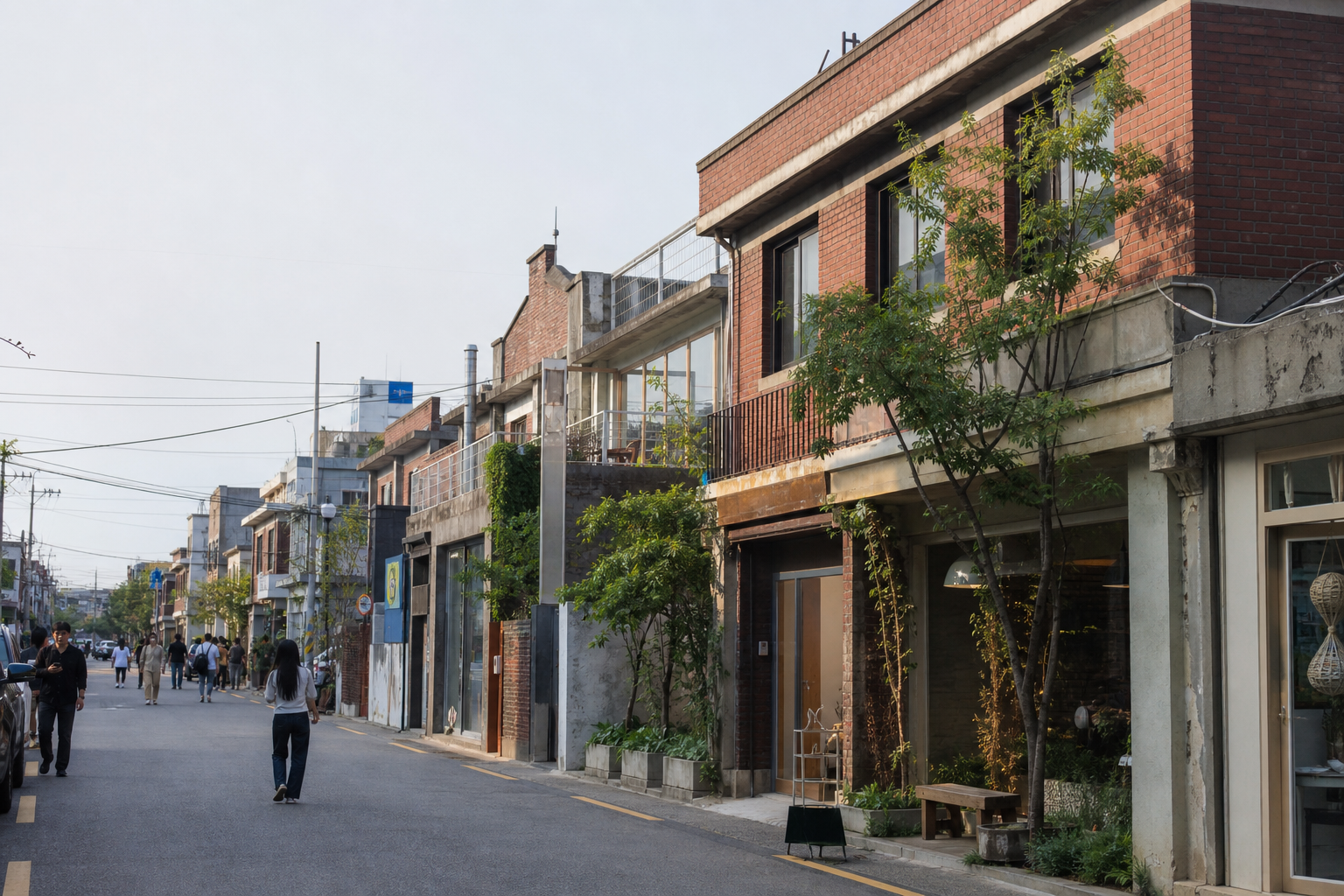
Afternoon — back to Myeongdong, or a second district. If you didn’t finish exploring Myeongdong, use the afternoon to close it out, or head to a second trendy area depending on your interests (Hongdae for a younger, artsy energy; Garosugil for a more upscale shopping stretch).
Day 3: Views and markets
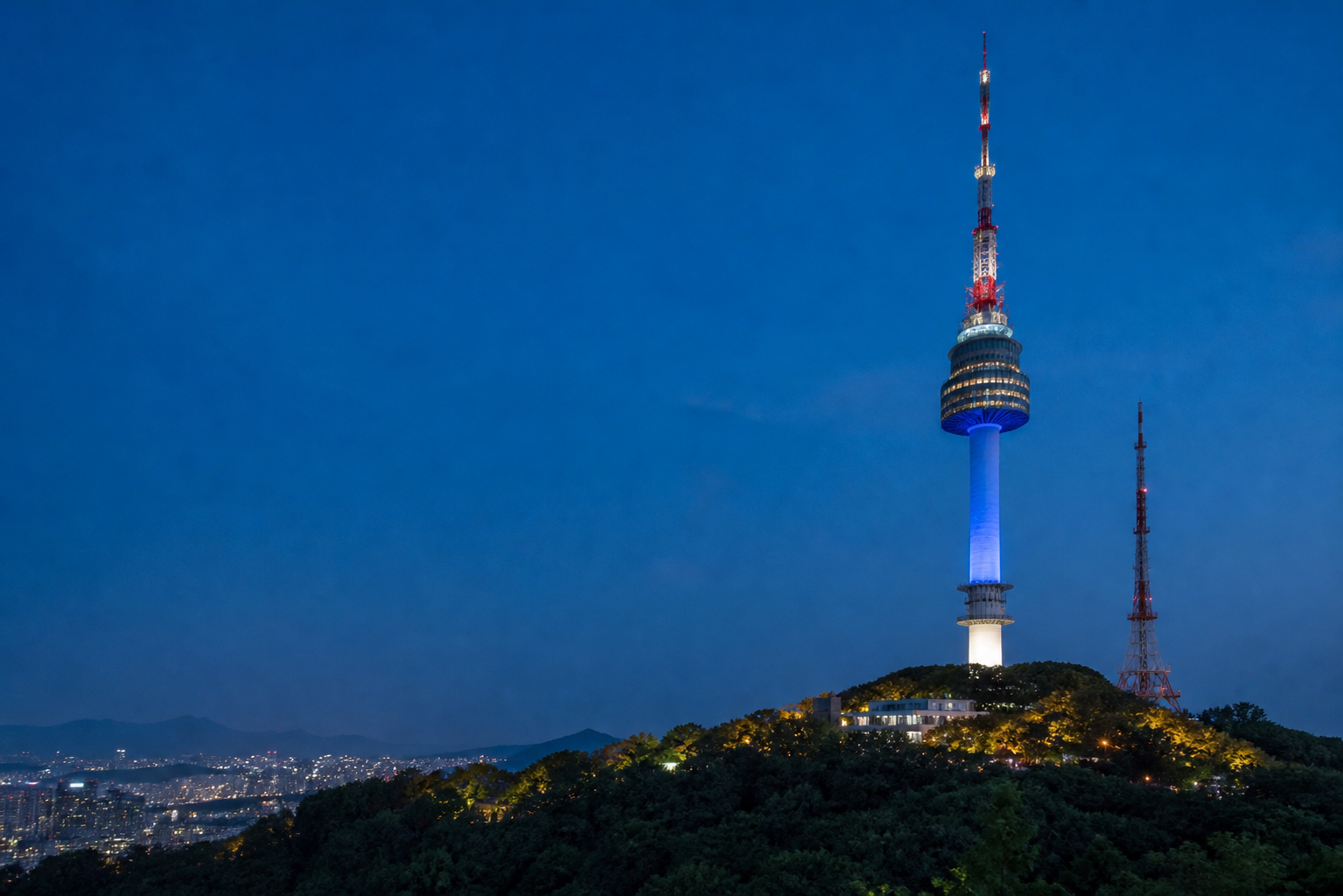
Late afternoon/evening — N Seoul Tower. Time this for sunset or after dark — the panoramic 야경 (yagyeong) over the city is the main draw, and Seoul’s skyline lights up in a way that’s worth planning your schedule around.
Evening — Mangwon Market. Skip Gwangjang — it’s gotten a rough reputation in recent years for tourist-inflated prices — and head to Mangwon instead, a 재래시장 (jaerae sijang) in Mapo-gu that’s stayed popular with actual locals rather than tour groups. Graze on hotteok, twigim (fried snacks), and tteokbokki at prices that still feel like a neighborhood market, then walk it off along the Han River at nearby Mangwon Hangang Park.
Day 4: Modern Seoul (Gangnam)
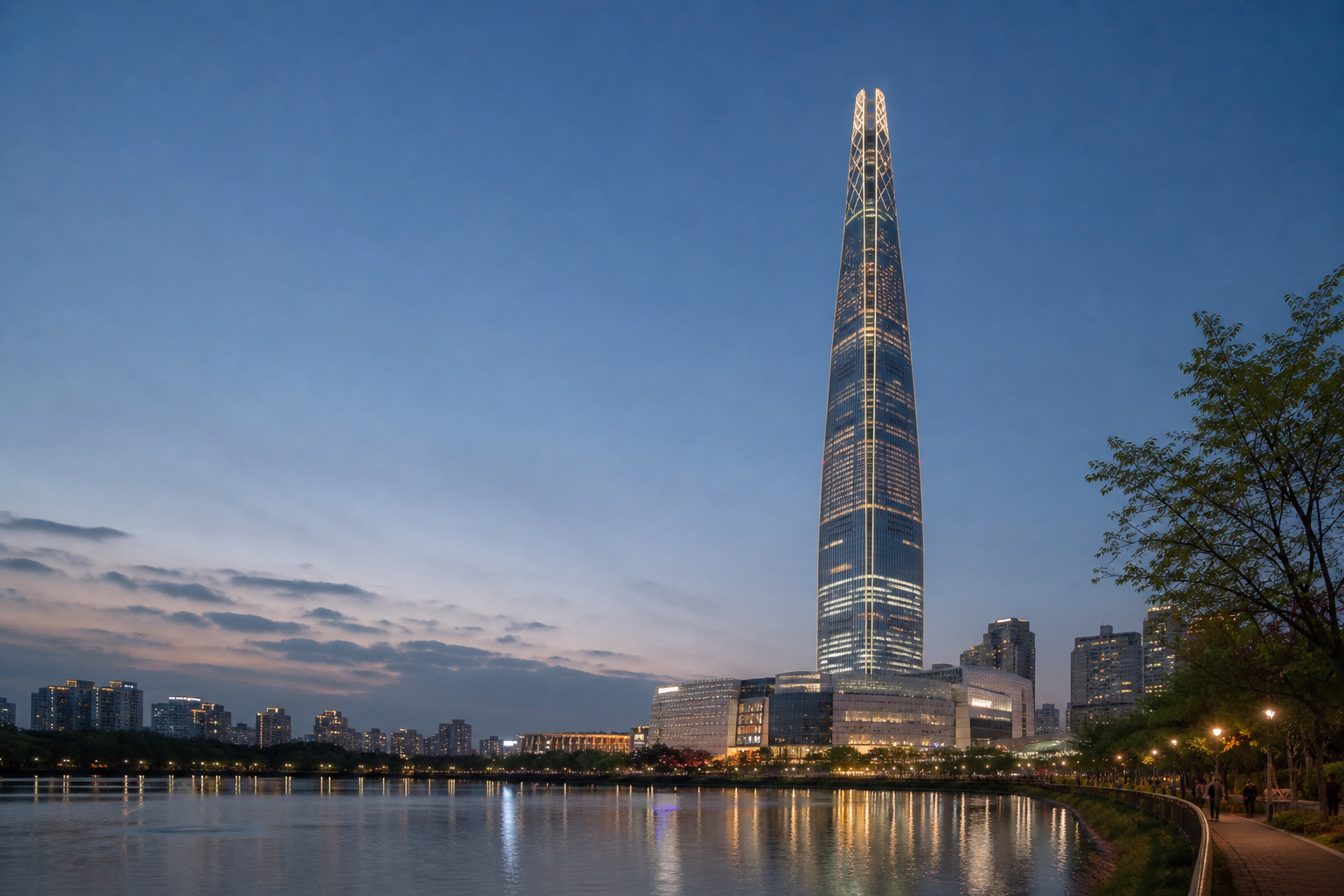
Morning/afternoon — Lotte World Mall and Seoul Sky. Cross the Han River into Gangnam for a completely different side of the city. Lotte World Mall combines luxury shopping, the Lotte World Aquarium, and the Seoul Sky Observatory — sitting 555 meters up on the 123rd floor, it’s one of the best views in the city, weather permitting.
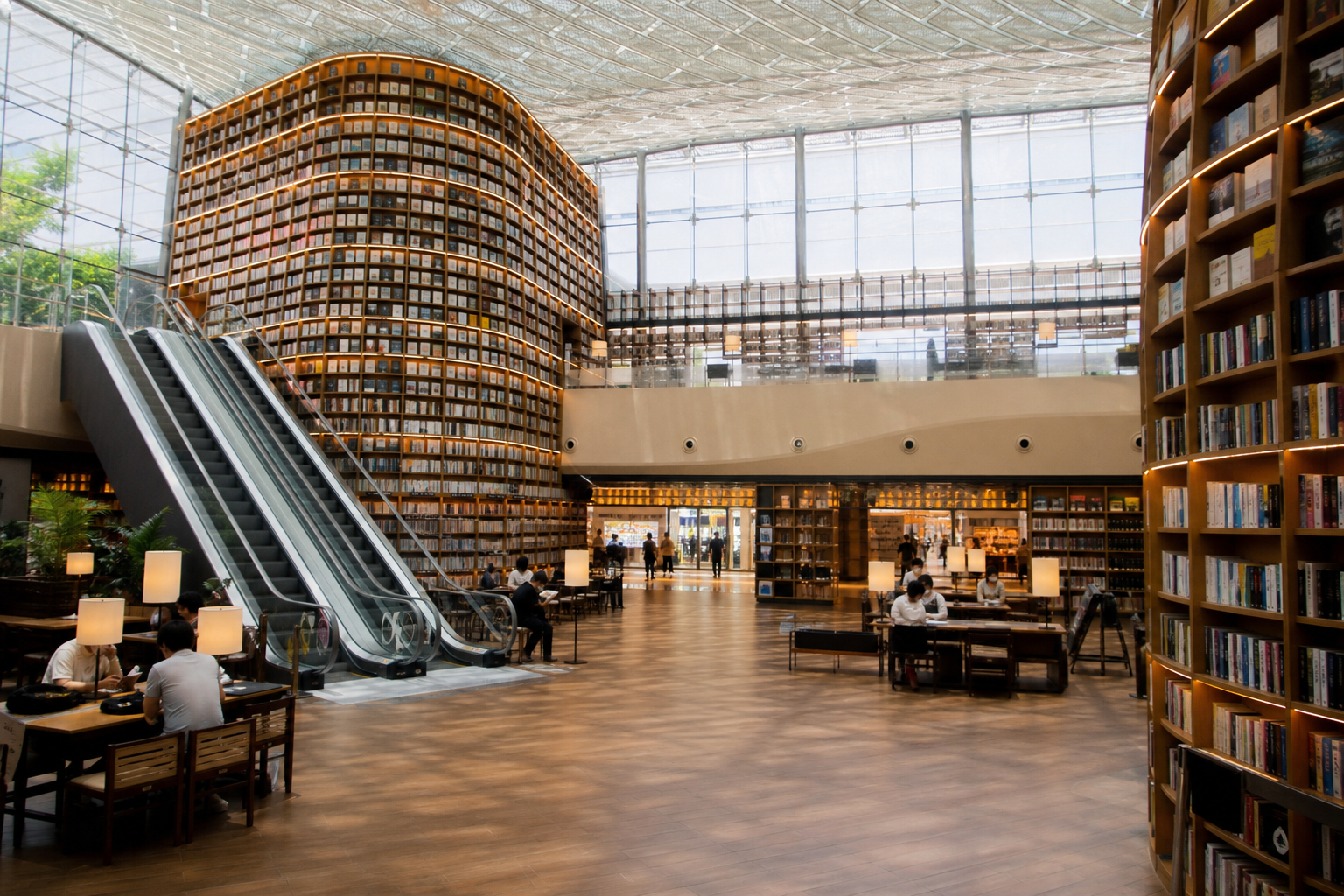
Afternoon — COEX Mall and Starfield Library. Nearby, the Starfield Library inside COEX Mall has become one of Seoul’s most photographed spots — floor-to-ceiling bookshelves under a soaring atrium, free to visit and worth the short stop even if you’re not there to read.
Practical tips
- Get the Climate Card. New for 2026, this tourist transit pass is worth picking up on arrival — it simplifies paying for subway and bus rides across the city and is a noticeable upgrade from juggling single tickets. See our T-money Card vs. Climate Card breakdown for which one actually fits your trip.
- Wear real walking shoes. This itinerary (like most Seoul itineraries) is walking-heavy, especially Days 1 and 3.
- Check palace closures before you go. Most major palaces close one day a week (often Tuesday), so it’s worth confirming the current schedule before building your morning around one.
If you have more time
Four days only scratches the surface. If your trip allows for it, Seoul pairs well with a short trip outside the city — Gyeongju for history or Busan for coastal food and a change of pace are both reachable by express bus or KTX and worth considering as an extension rather than trying to cram more into Seoul itself.